Some links on PCFix411 may earn a commission from GearReady, software partners, or Amazon Associates at no extra cost to you.
Console vs gaming PC in 2026 is a much more interesting comparison than it was a few years ago. Sony has a mature PS5 generation plus PS5 Pro, Microsoft has several Xbox Series X|S configurations, Nintendo Switch 2 is now on the market, and affordable desktop GPUs such as the GeForce RTX 5060 and Radeon RX 9060 XT give PC buyers serious 1080p and 1440p options.
At the same time, older PS4 Pro and Xbox One X systems have not become useless. Their mature libraries, used-game availability and low entry cost can still make sense for the right buyer. The mistake is comparing one spec such as teraflops and declaring a winner. Consoles are fixed, highly optimized systems; PCs are configurable platforms whose real performance depends on CPU, GPU, memory, storage, drivers, settings and the exact game.
This 2026 edition compares the entire decision: performance, image quality, frame rates, storage, backward compatibility, upgradeability, game libraries, total ownership cost and what kind of buyer each platform serves best.
What Changed in the Console vs PC Battle by 2026?
The biggest change is that the ninth-generation console experience is no longer new. Developers have had years to learn the PS5 and Xbox Series hardware. Sony added PS5 Pro, which PlayStation says has 67% more compute units than the base PS5 GPU, 28% faster memory and up to 45% faster rendering in supported workloads, plus enhanced ray tracing and PlayStation Spectral Super Resolution (PSSR). Xbox Series X remains a 12-TFLOP RDNA 2 machine with 16GB of GDDR6 and a fast NVMe storage architecture, while Series S targets a lower resolution and price point.
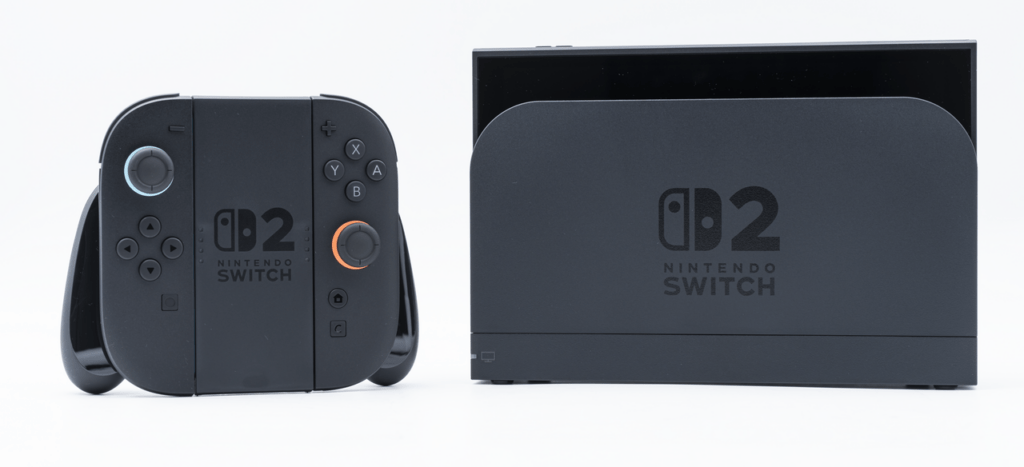
Nintendo changed the picture again with Switch 2. Nintendo lists a 7.9-inch 1080p HDR LCD with VRR up to 120Hz, a custom NVIDIA processor, 256GB UFS storage and TV output up to 4K at 60fps or 1080p/1440p up to 120fps. That does not make Switch 2 a direct PS5 Pro or gaming-PC competitor. It makes it a modern hybrid platform with a different priority: Nintendo software, portability and flexible play.
2026 Platform Snapshot
| Platform | 2026 Role | Display / Performance Target | Storage | Best For |
|---|---|---|---|---|
| PS4 Pro | Legacy 8th-gen premium console | Enhanced 1080p/4K-era output; game dependent | 1TB HDD stock | Cheap used library access |
| Xbox One X | Legacy 8th-gen performance console | 4K-focused enhanced titles | 1TB HDD stock | Backward-compatible value |
| PS5 / PS5 Pro | Current PlayStation family | 4K-oriented; 60/120Hz modes game dependent | High-speed SSD | PlayStation library and polished 4K experience |
| Xbox Series X | Current high-end Xbox | Native 4K target; up to 120fps | 1TB/2TB NVMe variants | Xbox ecosystem, backward compatibility, Game Pass |
| Xbox Series S | Lower-cost current Xbox | 1440p target; up to 120fps | 512GB/1TB NVMe variants | Budget digital-console buyer |
| Nintendo Switch 2 | Current hybrid Nintendo platform | 1080p handheld; TV up to 4K60; 1080p/1440p up to 120 | 256GB UFS + microSD Express | Nintendo exclusives + portable play |
| Modern Gaming PC | Configurable platform | 1080p through high-refresh 4K depending on hardware | User-selectable NVMe/SATA capacity | Performance, mods, creation, upgrades |
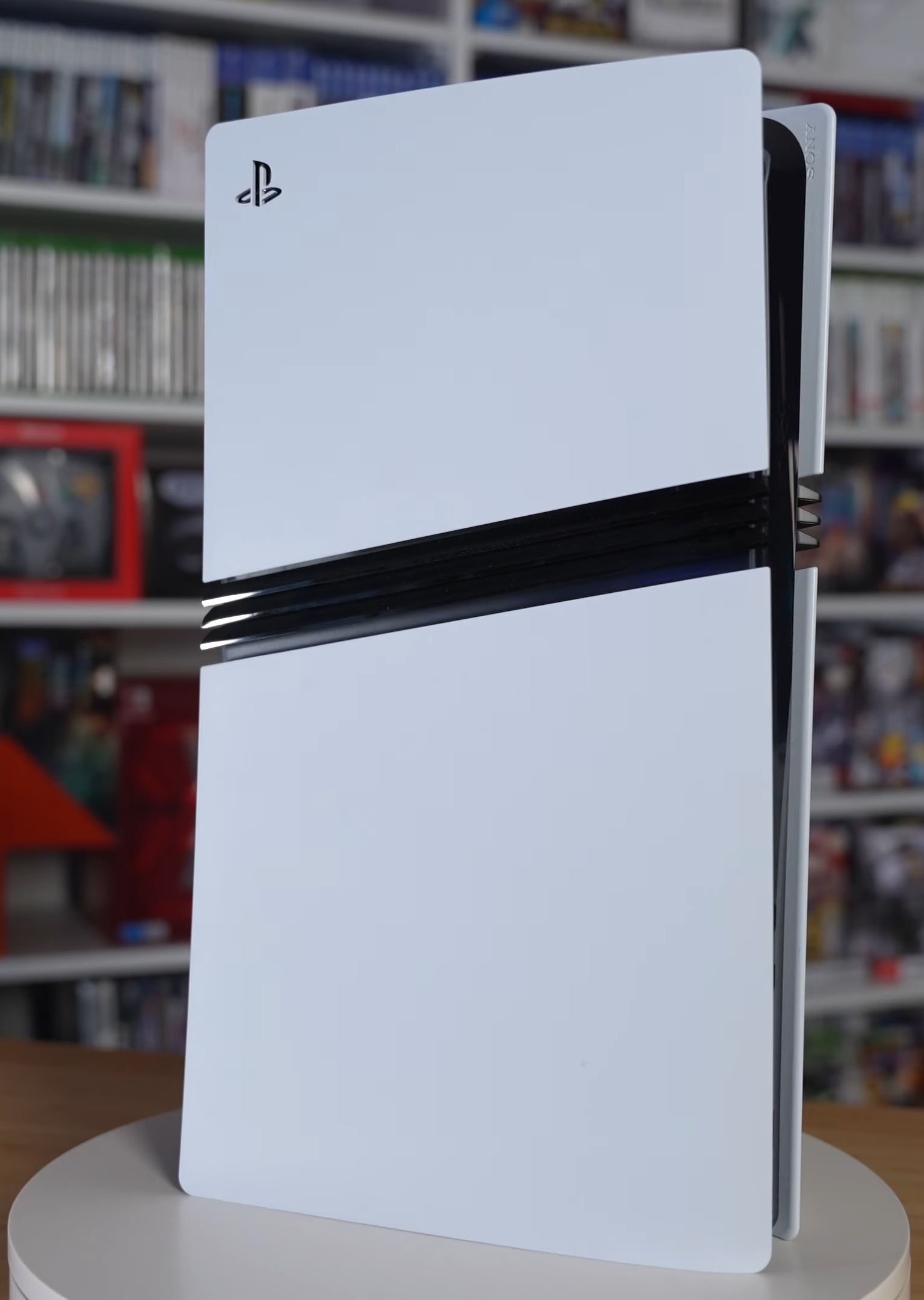
PS5 Pro: Better Console Graphics Without Becoming a PC
PS5 Pro is important because it narrows the traditional console compromise between quality mode and performance mode. Sony designed it to preserve more visual fidelity while delivering smoother frame rates in supported games. PSSR adds machine-learning reconstruction, and enhanced ray tracing gives developers more headroom for reflections, shadows and lighting.
But this is still a console. You do not choose the GPU, swap CPUs or tune memory timings. That limitation is also the attraction: developers target a known box, and the owner spends less time thinking about compatibility.
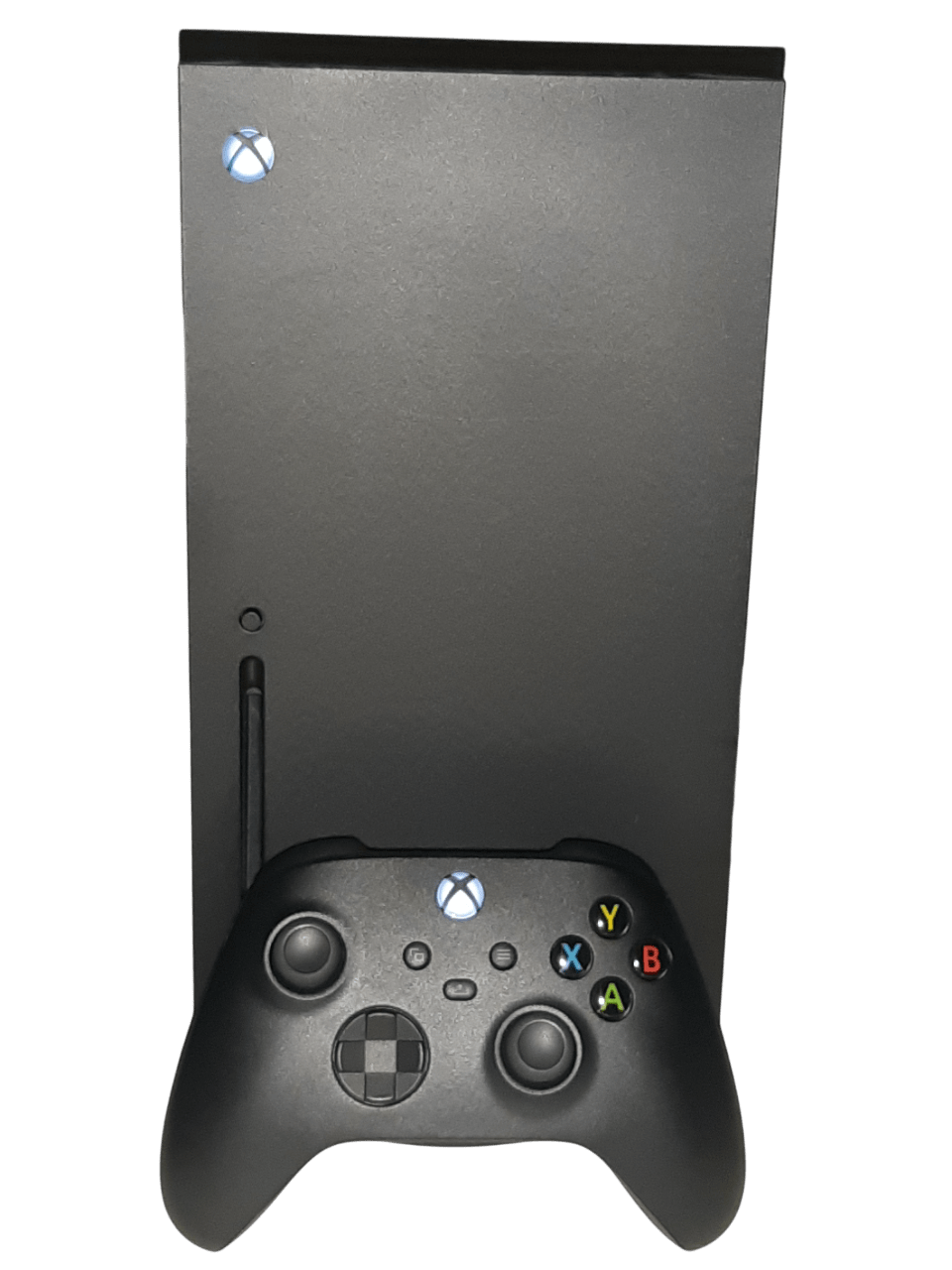
Xbox Series X|S: Same Ecosystem, Two Performance Tiers
Xbox Series X and Series S share the same generation and software ecosystem, but they are not the same performance class. Series X has a 12-TFLOP, 52-CU RDNA 2 GPU, 16GB GDDR6 and a true-4K target. Series S uses a 4-TFLOP, 20-CU RDNA 2 GPU, 10GB GDDR6 and a 1440p target. Both can support up to 120fps where the game and display allow it.
The practical question is not whether Series S is a weak Series X. It is whether your TV, game choices and budget justify the higher tier. On a 1080p or 1440p display, Series S can still make sense. On a large 4K set, Series X has much more room to preserve resolution, effects and frame rate.
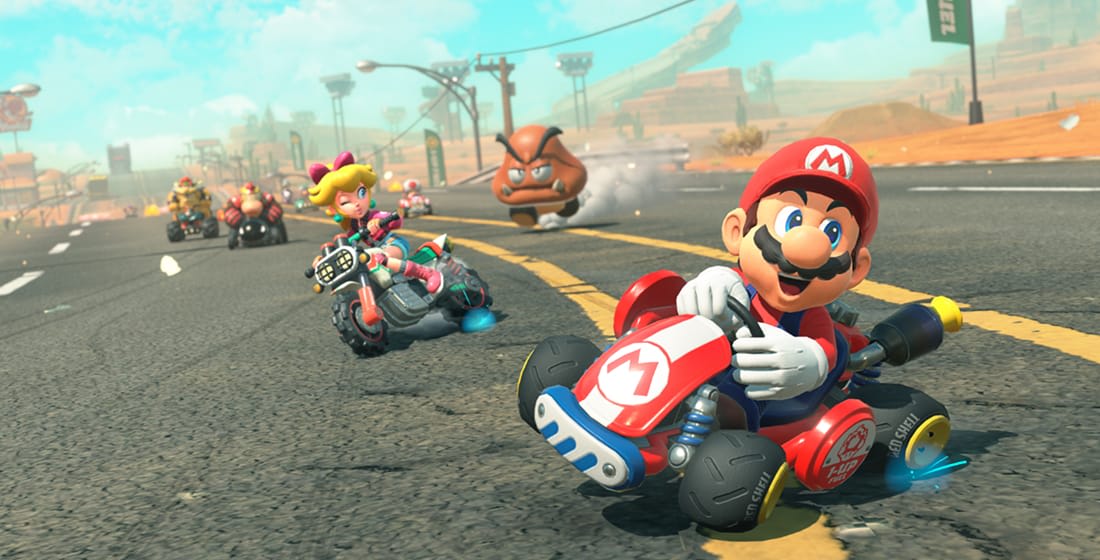
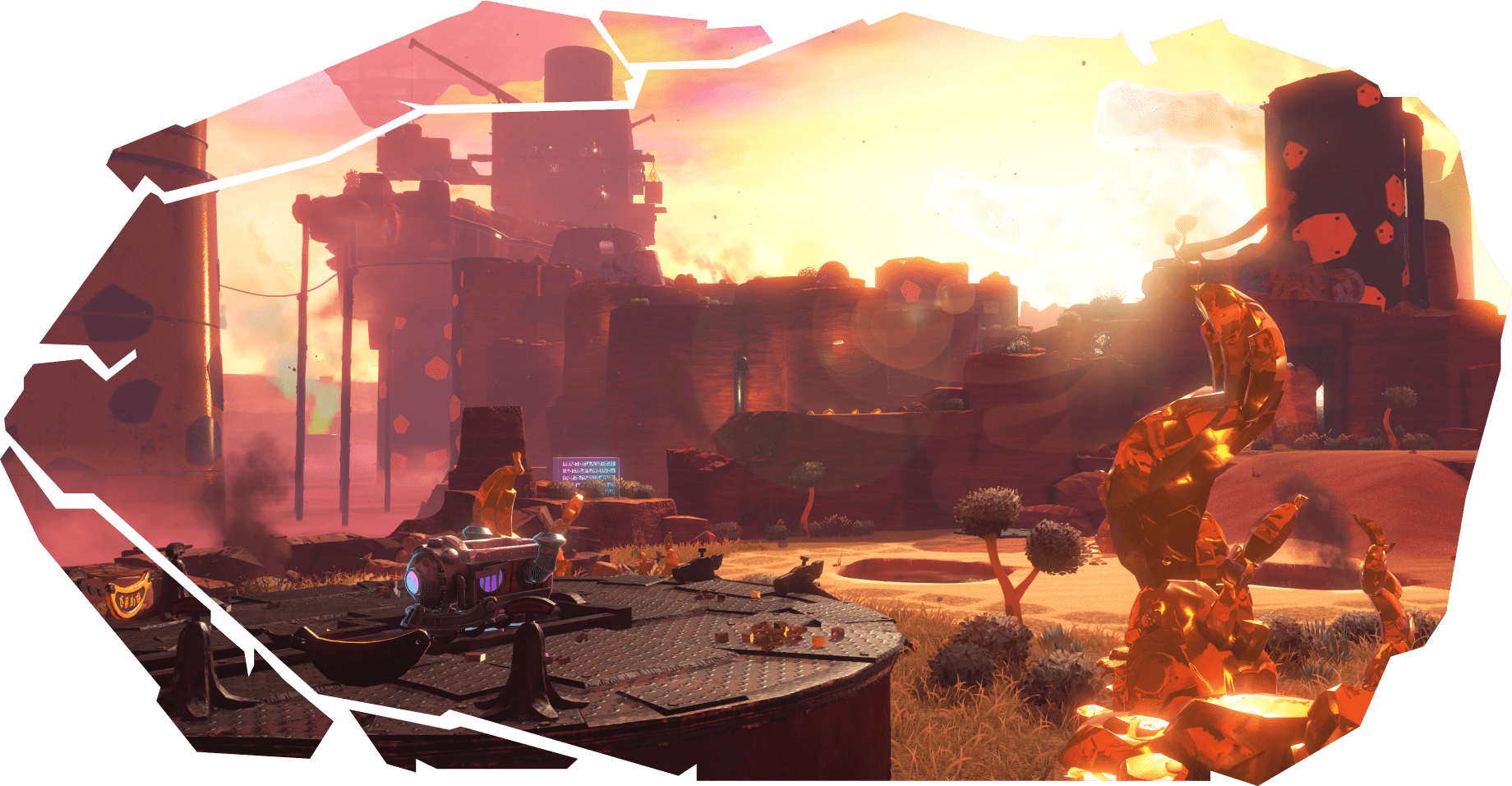
Switch 2 Changes the Comparison Because Portability Is a Feature
Switch 2 should not be forced into a teraflop contest. Its defining advantages are a unified handheld/TV experience, Nintendo software and a 1080p 120Hz-capable portable display. Nintendo also supports 4K60 output in TV mode and 120fps at 1080p or 1440p in supported software. For a family that wants Mario Kart World, Nintendo exclusives and one device that moves from the couch to a trip, those capabilities may matter more than whether a desktop GPU can render a heavier ray-traced scene.
That is why the best platform is often determined by software first and silicon second. A PC cannot replace Nintendo exclusives for someone who specifically wants Nintendo’s catalog, just as a Switch 2 is not designed to replace a workstation PC.
Modern Budget GPUs: Where RTX 5060 and RX 9060 XT Fit
For 2026 PC buyers, the most useful comparison is not “what GPU equals a console?” There is no exact answer. A better question is: what PC hardware tier delivers the resolution and frame-rate target I want in the games I actually play?
NVIDIA’s GeForce RTX 5060 uses the Blackwell architecture, 3,840 CUDA cores and 8GB of GDDR7. AMD’s Radeon RX 9060 XT family uses 32 compute units, with 8GB and 16GB configurations available in the market. In Tom’s Hardware’s mid-2026 hierarchy, the RTX 5060 and RX 9060 XT 8GB were among the best performance-per-dollar current cards at 1080p, while Radeon RX 9070 was a stronger 1440p value tier. The lesson is not that those cards “are” a PS5 or Xbox. It is that modern PC buyers can choose a tier based on 1080p, 1440p or 4K goals.
| 2026 PC Tier | Example GPU Class | Best Target | Why Choose It |
|---|---|---|---|
| Entry modern gaming | RTX 5060 / RX 9060 XT class | Strong 1080p; selective 1440p | Good value without chasing premium 4K hardware |
| Mainstream 1440p | RX 9070 / RTX 5070 class | High-quality 1440p, higher refresh | More headroom for demanding games and monitors |
| Premium 4K | Upper current GPU tiers | 4K with higher settings and RT | Maximum flexibility, at substantially higher total-system cost |
Upscaling Matters More in 2026
Native resolution is no longer the only meaningful measurement. PS5 Pro uses PSSR. NVIDIA supports DLSS on RTX hardware. AMD continues to develop FSR and related frame-generation technologies. Consoles also use dynamic resolution and reconstruction techniques on a game-by-game basis.
This is why screenshots and “native 4K” labels can mislead. What matters is the final experience: image stability, input latency, frame pacing, frame rate and how well the reconstruction technology handles motion. A clean 1440p or reconstructed 4K image at 60fps can feel much better than a technically higher-resolution image at an inconsistent frame rate.
Storage: The Hidden Quality-of-Life Divide
The leap from hard drives to SSDs is one of the most noticeable generational improvements. PS4 Pro and Xbox One X shipped with hard drives. PS5, Xbox Series and modern gaming PCs are built around much faster solid-state storage. Switch 2 uses 256GB UFS storage and requires microSD Express for expanded game storage.
On PC, storage is the easiest area to customize. You can choose capacity, performance tier and multiple drives. Consoles are simpler, but expansion options are more constrained by platform requirements. If you are moving an older PC to SSD storage, see PCFix411’s SSD buying guide.
Game Libraries and Backward Compatibility Can Be Worth More Than Hardware
A platform switch can cost more than the hardware itself if it strands a large library. Xbox Series X|S supports thousands of games across Xbox One and selected Xbox 360 and original Xbox titles. PS5 supports the PS4 ecosystem broadly, while PS5 Pro’s Game Boost can improve performance or stability for thousands of compatible PS4 games. Switch 2 can play many Nintendo Switch games, although Nintendo documents exceptions and compatibility details by title.
PC has a different advantage: a game library can span many hardware upgrades. Steam, Epic and other storefront libraries generally stay with the account while the computer changes. PC also supports mods and a broad retro ecosystem. Tools such as RetroBat or Batocera can organize legally owned retro collections; the emulator software and the game files are separate legal questions, so use your own lawful game dumps rather than downloading copyrighted ROM libraries.
Total Cost: Compare the Whole Experience
A fair cost comparison includes more than the box. For consoles, consider controllers, storage expansion, online subscriptions and the TV or monitor. For PC, include CPU, GPU, motherboard, memory, storage, power supply, case, cooling, Windows or another operating environment, keyboard/mouse or controller, and a display capable of showing the frame rate you are paying for.
PC can cost more up front but can replace several devices: gaming system, workstation, editing machine, streaming station and local AI box. Console can be the better value when gaming is the only demanding workload.
Which Platform Should You Buy in 2026?
| Buyer | Best Starting Direction | Why |
|---|---|---|
| Lowest-friction 4K living-room player | PS5 / PS5 Pro or Xbox Series X | Predictable hardware and optimized console modes |
| Budget current-gen buyer | Xbox Series S | Current software ecosystem at a lower hardware tier |
| Nintendo-first household | Switch 2 | Portable/TV flexibility and Nintendo catalog |
| Competitive high-refresh player | Gaming PC | More granular performance tuning and higher ceiling |
| Creator / streamer / editor who also games | Gaming PC | One machine handles multiple demanding workloads |
| Existing PS4 Pro / Xbox One X owner happy with library | Keep it until a real limitation appears | The cheapest upgrade is the one you do not need |
Read the Original PCFix411 Console-vs-PC Series
This 2026 article builds on three PCFix411 comparisons originally published in December 2023. They remain useful as historical snapshots and deeper dives into the generation transition:
- 8th and 9th Generation Consoles and Their Gaming PC Counterparts
- Console Gaming vs PC Gaming: 8th Generation
- 9th Generation Consoles vs NVIDIA and Radeon PC Setups
Sources and Methodology
Core hardware specifications were checked against Nintendo Switch 2 technical specifications, PlayStation’s PS5 Pro information, Xbox Series X specifications, NVIDIA RTX 5060 specifications, AMD RX 9060 XT specifications and current independent GPU hierarchy testing. Performance varies by game, patch, driver, quality settings, display and upscaling mode.
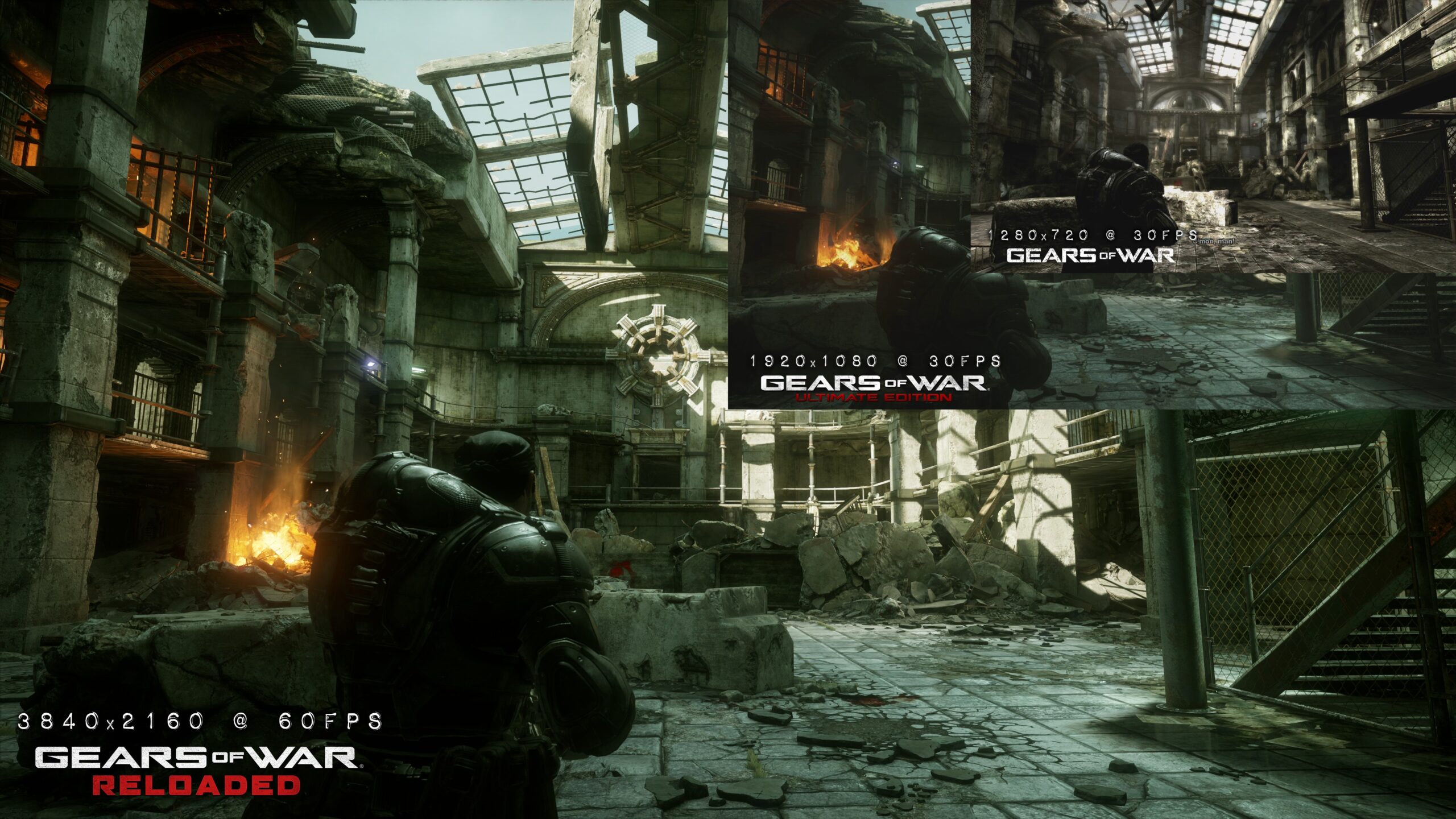
2026 Games That Show the Platforms in Action
Hardware specifications are useful, but games reveal what the platforms actually feel like. These examples show why the 2026 decision is about more than raw GPU numbers.
Shop the Gaming Comparison
Browse Amazon Best Sellers in Video Games →
Compare current Xbox Series console options →
Shop GearReady gaming accessories → | Browse GearReady on eBay →
Affiliate disclosure: PCFix411 may earn a commission from qualifying purchases made through eligible affiliate links, at no additional cost to you.
What Current Games Reveal About the Platforms in 2026
Hardware specifications are useful, but current games show the tradeoffs more clearly. Nintendo’s Mario Kart World and Donkey Kong Bananza demonstrate why Switch 2 is not simply a slower living-room console: Nintendo is designing software around a portable 1080p display, Joy-Con 2 controls and docked play. On PS5 Pro, Sony’s 2026 PSSR update is being used across titles including Final Fantasy VII Rebirth, Assassin’s Creed Shadows, Cyberpunk 2077 and other enhanced games, showing that image reconstruction and ray-tracing quality are now major parts of the premium-console conversation. Xbox’s 2026 lineup likewise highlights the benefit of a shared console-and-PC ecosystem, with games such as Forza Horizon 6 and Gears of War: Reloaded spanning Xbox Series hardware and Windows PC.
The practical lesson is that there is no universal winner. A console can deliver an exceptionally optimized experience at a fixed hardware cost, while a PC can trade simplicity for adjustable quality settings, higher refresh-rate targets, mod support and a longer component-upgrade path.
2026 Buying Paths: Where to Shop Without Overpaying
Compare Video Games on Amazon
Use the current PCFix411 Amazon Video Games Best Sellers link to compare what is actually moving across consoles, accessories and game releases.
Shop Xbox Hardware
If Xbox is the better fit, compare current Series X|S hardware through PCFix411’s approved Amazon recommendation path.
Nintendo Hardware
For Nintendo-focused buyers, compare current Switch-family hardware and accessories through the approved recommendation link.
GearReady Gaming
Browse gaming accessories and portable gaming products in the Nacluv Tech-owned GearReady store.
Affiliate disclosure: PCFix411 may earn a commission from qualifying purchases made through affiliate links, at no additional cost to you.
2026 U.S. Price Reality: Consoles Are No Longer Automatically the Cheap Option
One of the biggest changes in this comparison is price. Sony raised the U.S. recommended retail price of PS5 to $649.99, PS5 Digital Edition to $599.99 and PS5 Pro to $899.99 effective April 2, 2026. Nintendo raised the U.S. MSRP of Switch 2 from $449.99 to $499.99 effective September 1, 2026. Microsoft also announced August 2026 Xbox console increases tied to higher memory and storage costs. That makes total system value more important than simply assuming every console is cheaper than every PC.
| Platform | 2026 U.S. Price Signal | What It Means |
|---|---|---|
| PS5 | $649.99 RRP | Still simple and capable, but the gap to an entry gaming PC is smaller than it once was. |
| PS5 Digital | $599.99 RRP | Lower hardware entry price, but no used-disc market. |
| PS5 Pro | $899.99 RRP | Premium console pricing now overlaps with lower-cost gaming-PC territory. |
| Switch 2 | $499.99 MSRP | Value rests on portability, Nintendo software and hybrid play—not raw GPU power. |
| Xbox Series X|S | 2026 U.S. increases announced | Compare the exact storage model and current retail price before buying. |
Pricing sources: PlayStation 2026 pricing notice, Nintendo Switch 2 pricing notice, and Xbox 2026 pricing update. Retail prices and bundles can change.
Research Method: Why We Do Not Call One GPU an Exact Console Equivalent
PCFix411 compares consoles as complete systems and PC graphics cards as parts inside a configurable system. Official manufacturer specifications, current platform documentation and game-specific performance features are used as reference points. For PC hardware, current NVIDIA and AMD specifications are more useful than comparing raw teraflop numbers across different architectures.
Primary technical references include NVIDIA’s RTX 5060 family specifications and AMD’s Radeon RX 9060 XT specifications.
2026 Game-Library Reality: Hardware Only Matters If It Plays What You Want
Hardware comparisons are useful, but game access should decide the purchase. Nintendo Switch 2 now has major first-party titles such as Mario Kart World and Donkey Kong Bananza, while Xbox Series X|S and PC share an increasingly broad catalog through Xbox releases and Game Pass. PlayStation continues to differentiate with its own first-party library and PS5 Pro-enhanced titles. Before buying any system, make a list of the ten games you actually want to play and mark which platforms support them, whether cross-play matters, and whether you already own compatible controllers or games.
Frequently Asked Questions
Is a PS5 Pro equivalent to an RTX 5060 or RX 9060 XT?
No exact one-to-one equivalent exists. Console hardware is fixed and optimized as a complete system, while PC GPU performance depends on the rest of the PC, game settings, drivers and reconstruction technology. Compare actual game performance at your target resolution rather than matching teraflop numbers.
Is Xbox Series X still powerful enough in 2026?
Yes for its intended console role. Microsoft still lists a true-4K gaming target and support for up to 120fps. Individual games choose their own resolution, quality and frame-rate modes.
Does Switch 2 compete with PS5 Pro?
Not directly. Switch 2 is a hybrid portable/TV system centered on Nintendo software and mobility. PS5 Pro is a premium living-room console focused on enhanced image quality and performance.
Should I replace a PS4 Pro or Xbox One X now?
Replace it when current games you want no longer support the platform well, loading times or frame rates are frustrating, or the hardware becomes unreliable. If your existing library still meets your needs, keeping it can be the best-value decision.
Is a gaming PC better value than a console?
It depends on workload. A console can be better value for dedicated gaming. A PC can justify its higher price when it also handles productivity, editing, streaming, programming, AI or other work.
Affiliate disclosure: PCFix411 may earn a commission from qualifying purchases or subscriptions made through affiliate links, at no additional cost to you. As an Amazon Associate, PCFix411 may earn from qualifying purchases.
Continue your research at PCFix411, then browse selected accessories, upgrade gear and practical technology at our owned GearReady store.