Some links on PCFix411 may earn a commission from GearReady, software partners, or Amazon Associates at no extra cost to you.
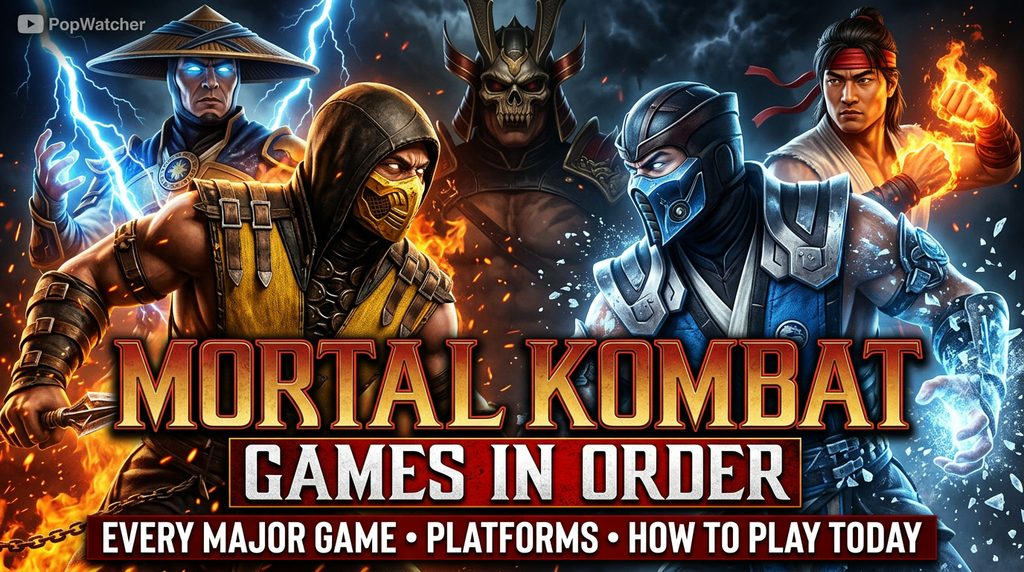
Quick answer: Mortal Kombat debuted in arcades in 1992. Its numbered titles, major revisions, PS2-era 3D entries and new-era reboots are best understood in release order, with spin-offs and historical home conversions classified separately. This guide explains the franchise lineage, original systems and legitimate ways to play.
Scope: a release-order chronology with major arcade/console entries and historically important spin-offs. It is not an exhaustive SKU inventory of regional editions. Updated November 17, 2026.
Mortal Kombat games in order: the reference timeline
Select a game in this release-order table to jump to its artwork, gameplay and platform notes. On a phone, swipe the table sideways to see all columns.
| Year | Game / edition | Release class | Platforms |
|---|---|---|---|
| 1992 | Mortal Kombat | Arcade original | Arcade |
| 1993 | Mortal Kombat II | Arcade sequel | Arcade |
| 1995 | Mortal Kombat 3 | Arcade sequel | Arcade |
| 1995 | Ultimate Mortal Kombat 3 | Major revision | Arcade |
| 1996 | Mortal Kombat Trilogy | Compilation/reworking | PlayStation, Saturn, Nintendo 64 |
| 1997 | Mortal Kombat Mythologies: Sub-Zero | Adventure spin-off | PlayStation, Nintendo 64 |
| 1997 | Mortal Kombat 4 | Numbered fighting game | Arcade |
| 1999 | Mortal Kombat Gold | Expanded port | Dreamcast |
| 2000 | Mortal Kombat: Special Forces | Action spin-off | PlayStation |
| 2002 | Mortal Kombat: Deadly Alliance | Mainline fighting game | PS2, Xbox, GameCube |
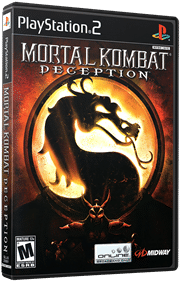
| 2004 | Mortal Kombat: Deception | Mainline fighting game | PS2, Xbox; later GameCube |
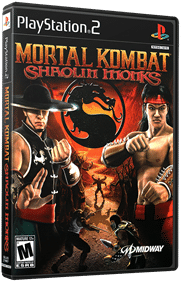
| 2005 | Mortal Kombat: Shaolin Monks | Action spin-off | PS2, Xbox |
| 2006 | Mortal Kombat: Armageddon | Mainline fighting game | PS2, Xbox; later Wii |
| 2008 | Mortal Kombat vs. DC Universe | Crossover fighting game | PS3, Xbox 360 |
| 2011 | Mortal Kombat (2011) | Rebooted mainline | PS3, Xbox 360; later PC |
| 2015 | Mortal Kombat X | Mainline fighting game | PS4, Xbox One, PC |
| 2019 | Mortal Kombat 11 | Mainline fighting game | PS4, Xbox One, Switch, PC; later PS5/Series X|S |
| 2023 | Mortal Kombat 1 | New-era reboot mainline | PS5, Xbox Series X|S, Switch, PC |
| 2025 | Mortal Kombat: Legacy Kollection | Curated classic-game collection | PC, PS4, PS5, Xbox Series X|S, Switch/Switch 2 |
Mortal Kombat chronology: initial release, original title or edition, classification and representative platforms. Game-by-game significance and version caveats appear below.
Every significant Mortal Kombat release explained
The chronological chart identifies the games. These practical notes explain how they differ, why some are arcade revisions or adventures rather than standard fighters, and what an owner should verify before choosing an original disc or modern collection.
1. Mortal Kombat (1992)
Historical TV commercial: 1993 Mortal Monday home-console TV commercial
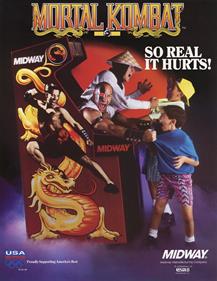
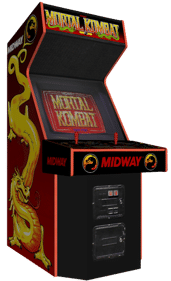
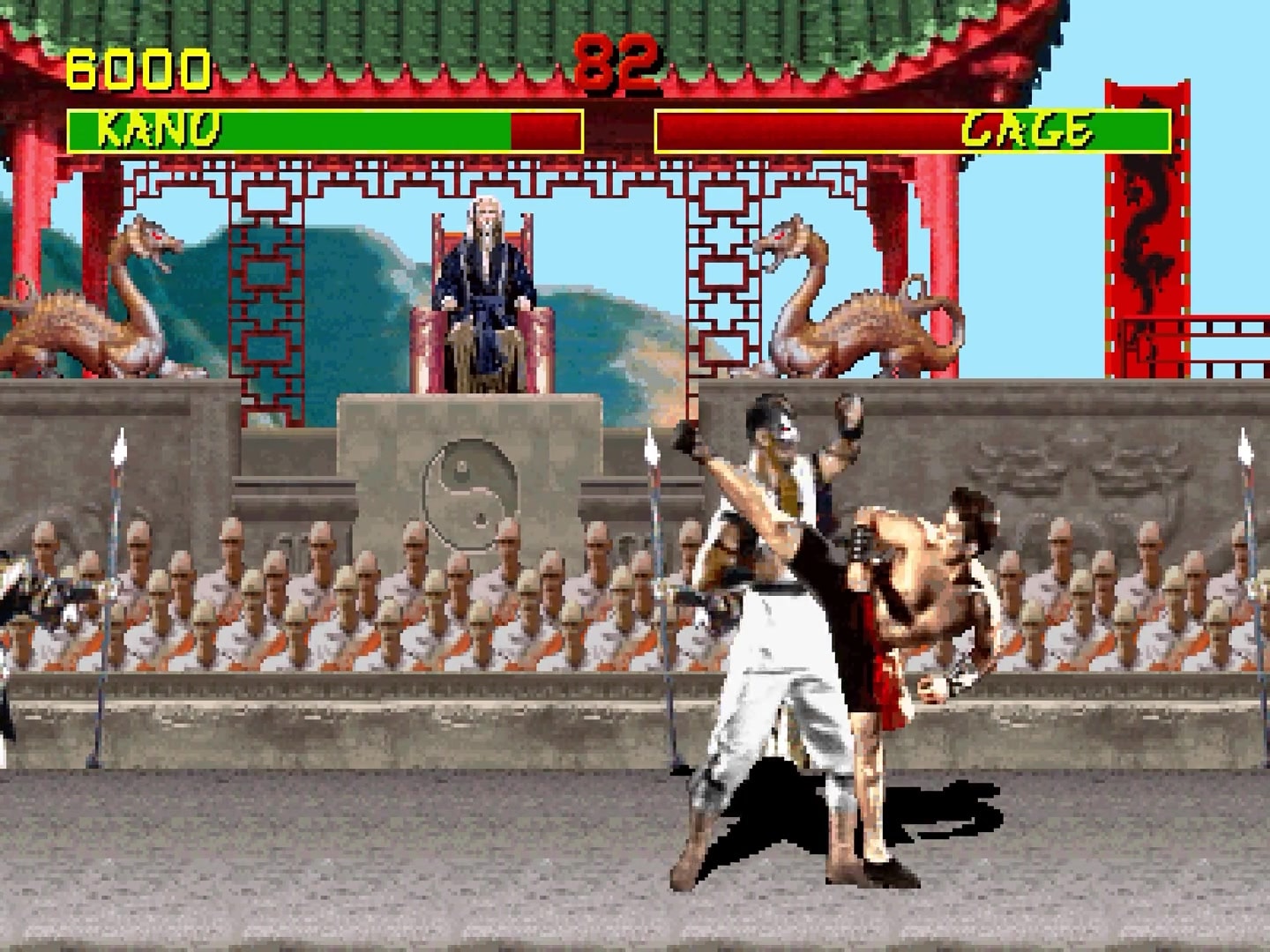
The original arcade release used digitized live-action performances, a dedicated block button and infamous finishing moves. Its mechanical feel differs sharply from contemporary MK, so players should not evaluate the series solely through the original. Compare the arcade board with the era’s SNES and Genesis home releases before making claims about imagery, sound or finishing content.
Hardware and access: The arcade board is the reference point for the original digitized-character look. The SNES and Genesis home releases made different audiovisual and content compromises, so the platform matters when comparing them. Digital Eclipse’s licensed Legacy Kollection includes the early arcade game alongside selected home versions, offering a convenient way to study those differences without relying on unauthorized downloads. The screenshot above shows arcade footage rather than the home version.
2. Mortal Kombat II (1993)
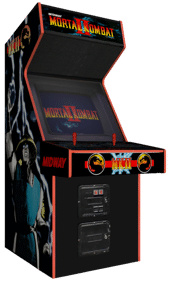
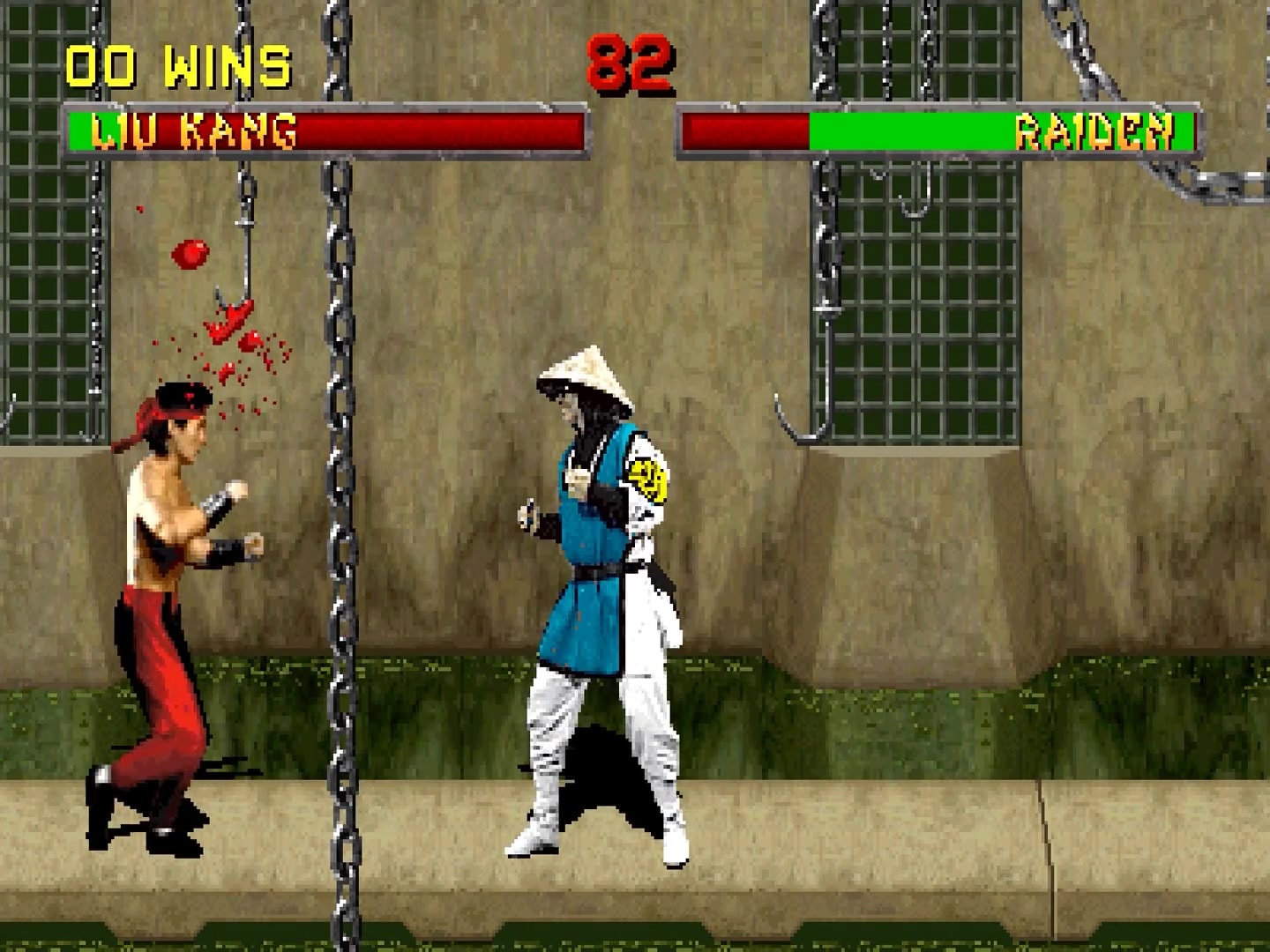
Historical TV commercial: 1994 Mortal Kombat II home-release TV commercial
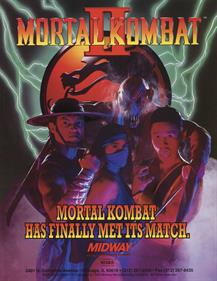
Mortal Kombat II expanded the cast and arenas, refined movement and created many of the conventions later remembered as distinctly MK. Historical home ports were not technically identical. A current compilation may include more than one playable platform build; each should be labeled rather than shown as though it were the same software.
What changed: More playable fighters and additional finishing moves made this a true sequel, not merely a balance update to the first tournament. The original arcade presentation uses digitized actors and Midway arcade hardware; later console editions such as Sega 32X reinterpret that experience with different technical limits. The game footage here follows the original arcade release, while the illustrated sales flyer and cabinet show how it was advertised and played. For present-day access, verify that a licensed collection lists the specific arcade build you want.
3. Mortal Kombat 3 (1995)
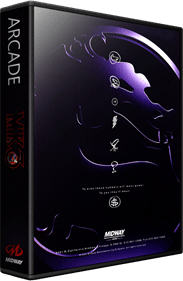
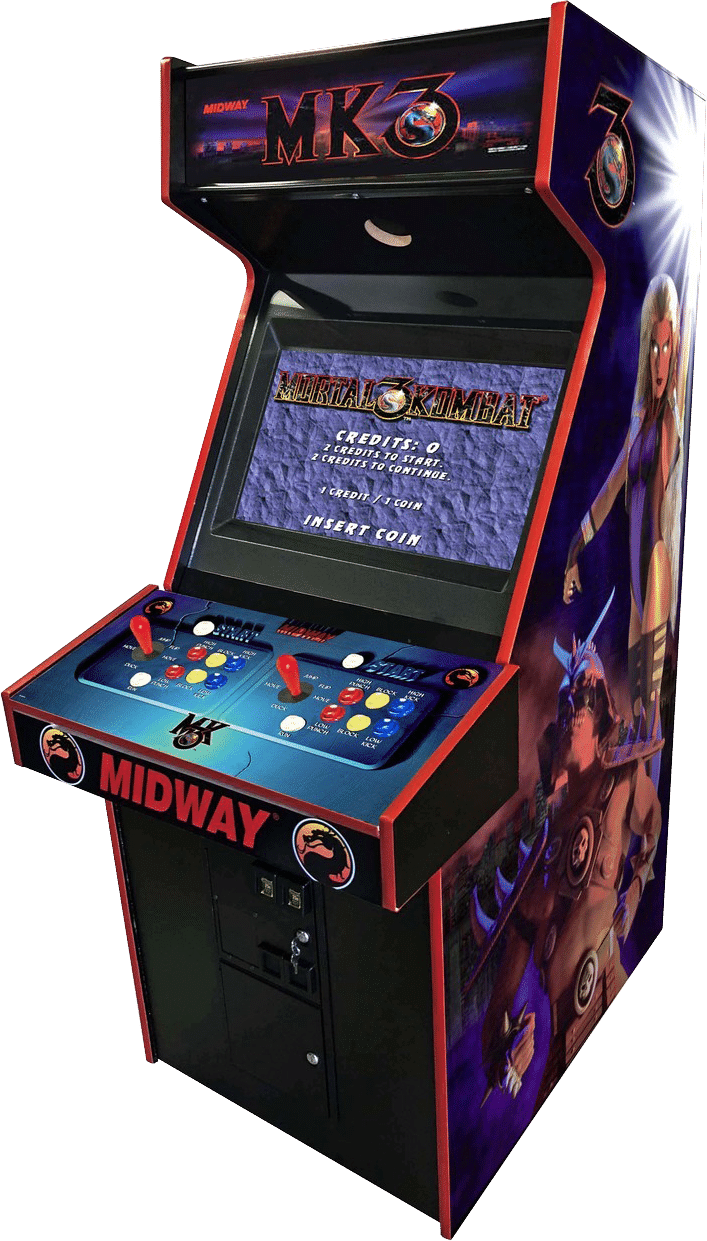
Historical TV commercial: 1995 Mortal Kombat 3 ‘Nightmare’ arcade TV commercial
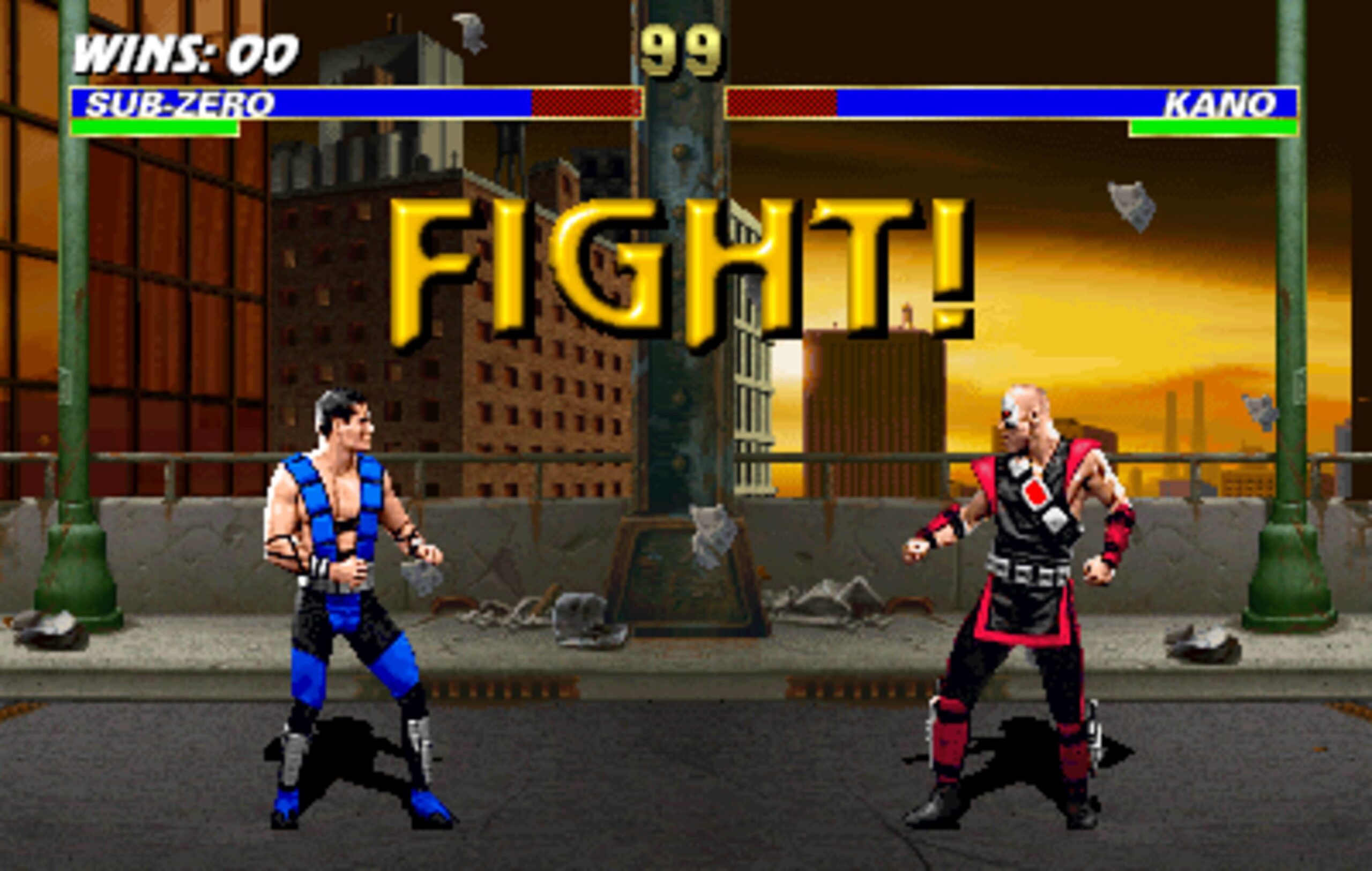
MK3 introduced a run button and chain combos that changed pacing. Its original arcade roster and subsequent revisions have different lineups, so historical discussion should distinguish MK3 proper from Ultimate MK3. Buyers comparing collections should confirm the exact edition and controls.
Version distinction: Standard MK3 introduced the run mechanic and a different set of stages and fighters from its immediate predecessor. Ultimate Mortal Kombat 3 arrived as a revised arcade edition the same year; comparing roster sizes without naming the edition can mislead readers. The arcade screenshot illustrates the original MK3, while the separate 7-minute gameplay recording is explicitly the Super Nintendo home conversion. The following section covers Ultimate MK3 separately. A current collection can be a better first option than importing a vulnerable vintage arcade board, provided it identifies the playable version.
4. Ultimate Mortal Kombat 3 (1995)

Historical gameplay trailer: 1995 Ultimate Mortal Kombat 3 home-version gameplay trailer (55 seconds)
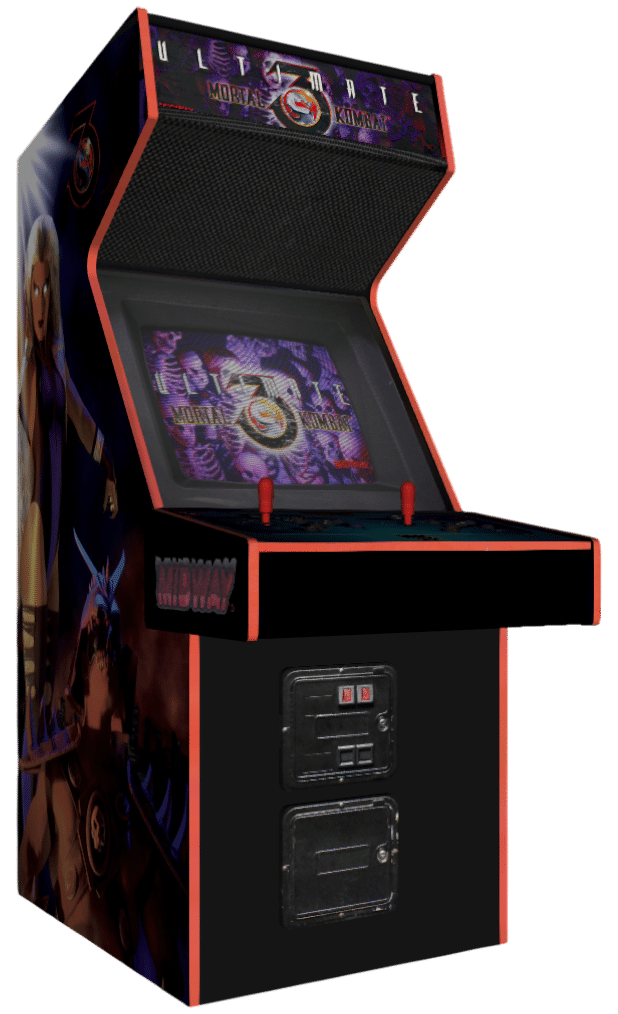
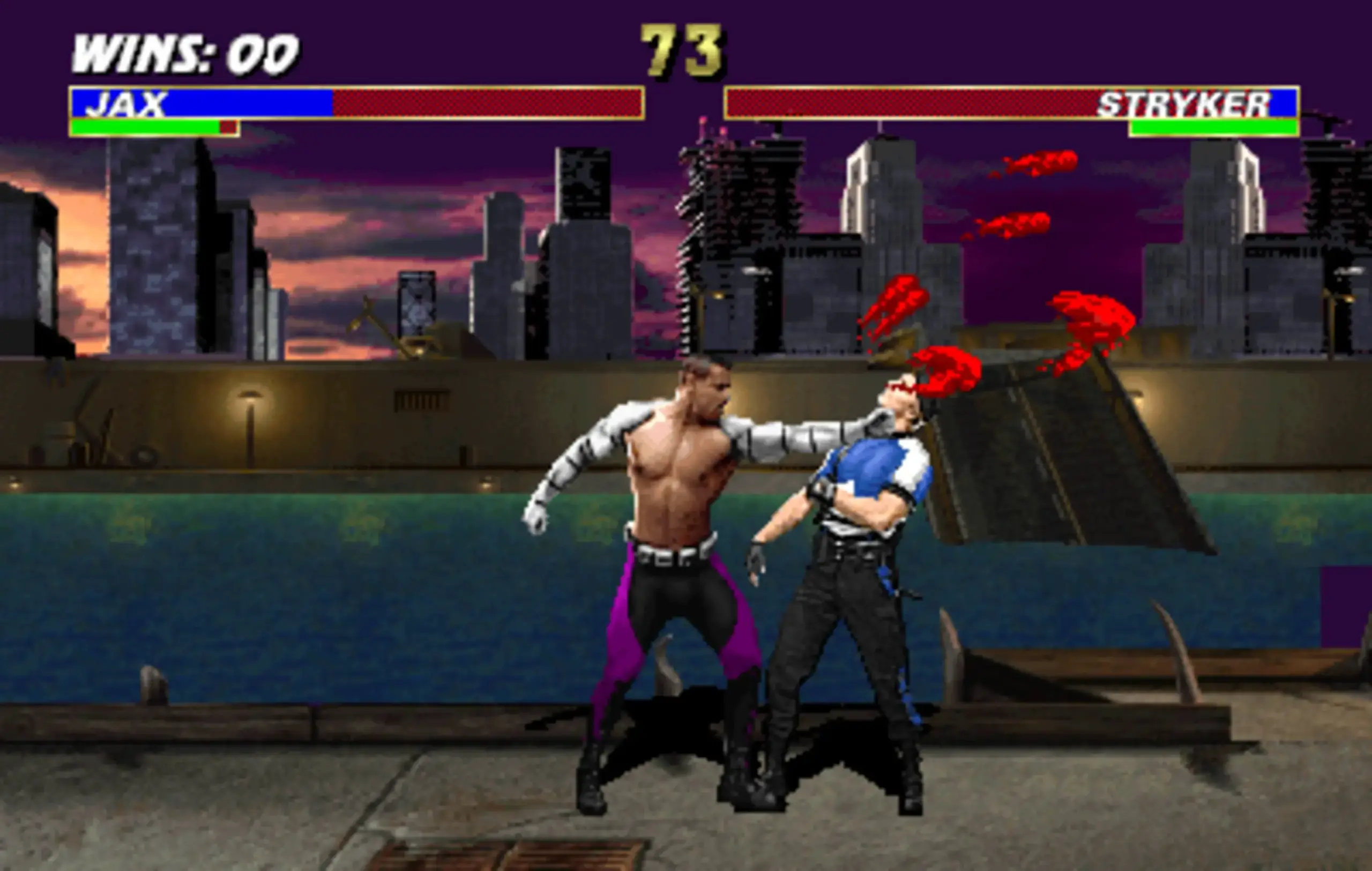
Ultimate MK3 is a major expansion/revision of MK3, with important roster, stage and system changes. Its iconic status in competitive retro play does not make it a newly numbered Mortal Kombat 4. The arcade, SNES, Genesis and later versions are technical variants, not interchangeable screenshots.
Why this release matters: This major arcade update brought back familiar fighters and adjusted the original MK3 formula. A Genesis or SNES version may feel similar but is not necessarily frame-for-frame identical to the Midway arcade board. If you are watching historical matches, confirm whether the recording is from arcade, a home conversion or the later online WaveNet experiment. The 2025 Legacy Kollection preserves multiple historical builds, including the rare WaveNet edition, allowing meaningful version comparisons.
5. Mortal Kombat Trilogy (1996)
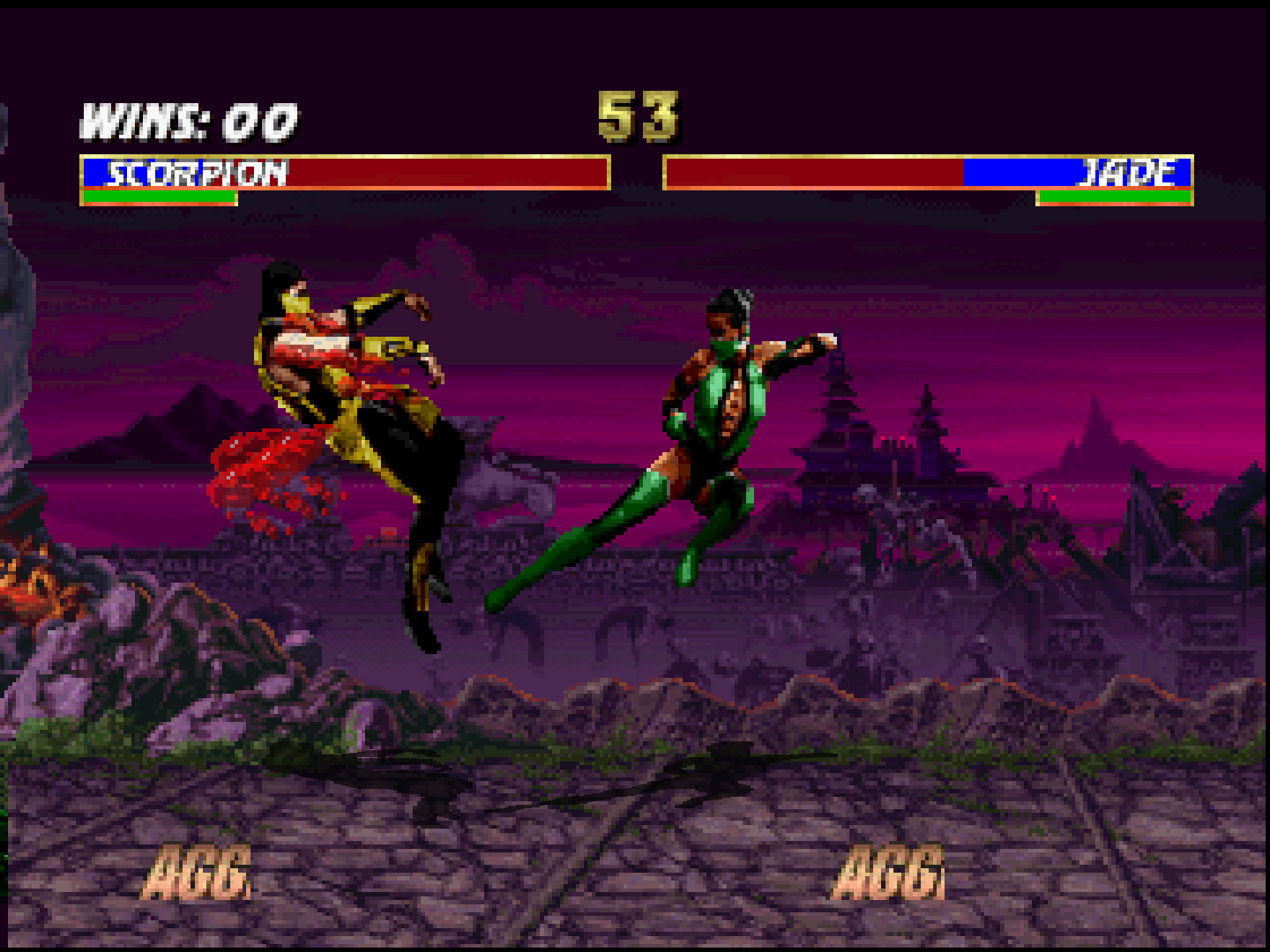
Historical TV commercial: 1996 joint Ultimate Mortal Kombat 3 / Mortal Kombat Trilogy home-release commercial
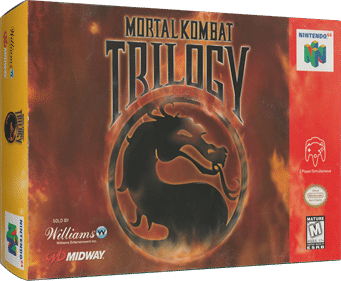
Trilogy brings together material from earlier installments for late-1990s consoles, with platform-specific content and performance differences. It is a historical compilation/reworking, not a substitute for all arcade boards. Identify PlayStation, Saturn and Nintendo 64 versions precisely when discussing playable fighters and modes.
Console comparison: Trilogy combines characters and stages from earlier games rather than introducing a new arcade board with a single standard configuration. PlayStation, Sega Saturn and Nintendo 64 releases have platform-dependent differences, so a collector should select the specific disc or cartridge rather than assuming one universal roster. The case and larger gameplay still depict the Nintendo 64 edition; the separate archived PlayStation gameplay footage illustrates another home version. Check game support on original compatible hardware before buying a used copy.
6. Mortal Kombat Mythologies: Sub-Zero (1997)
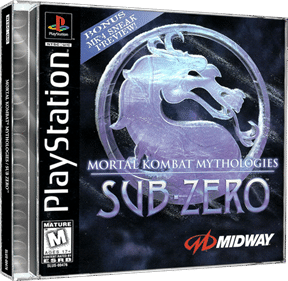
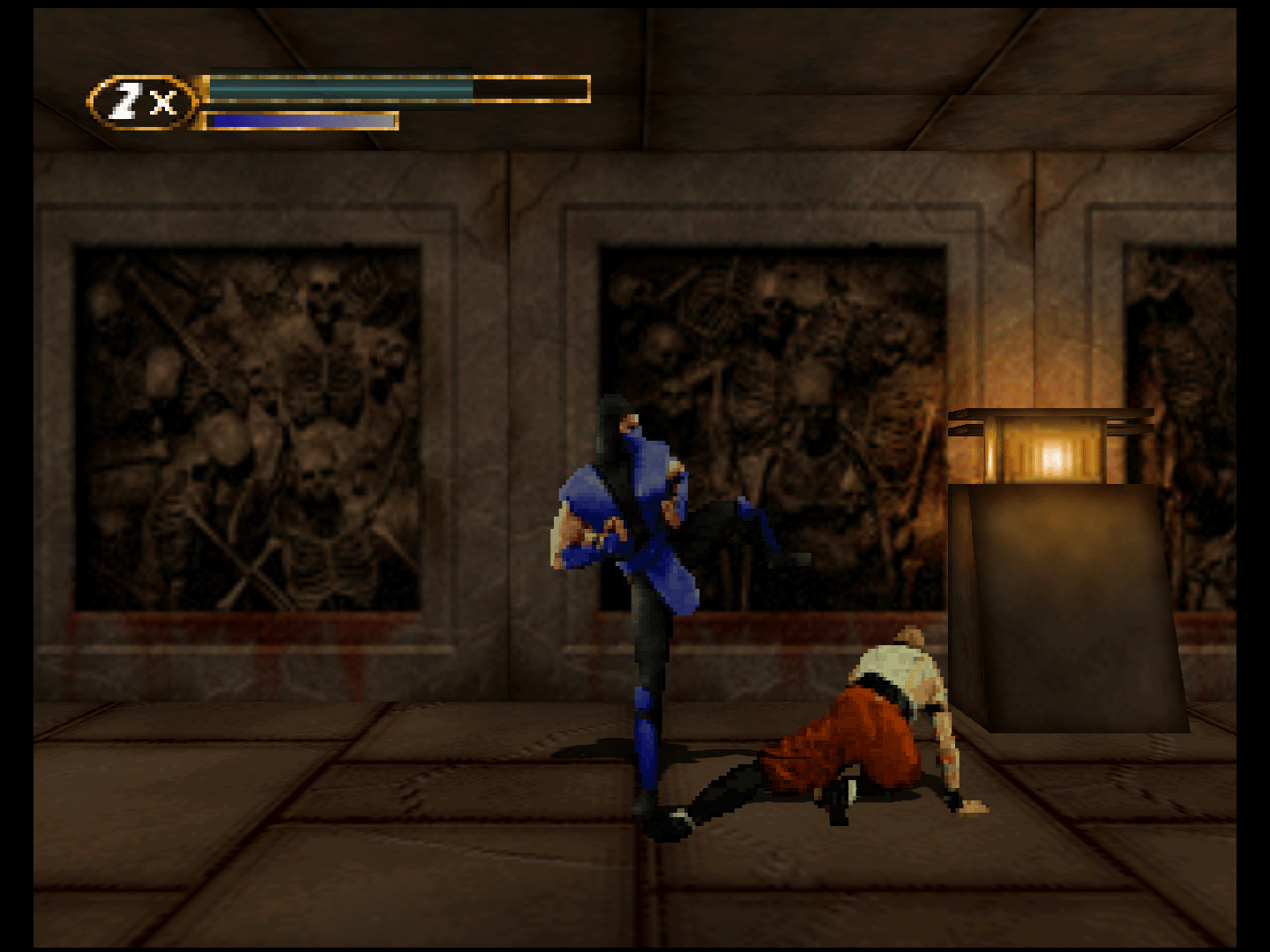
Historical TV commercial: Mortal Kombat Mythologies: Sub-Zero live-action TV commercial
This spin-off explores Sub-Zero’s storyline using action-adventure mechanics. It matters to franchise lore but should not be used as a 1:1 fighting-game sequel in rankings or tournament comparisons. The PlayStation and Nintendo 64 versions have distinct presentation differences. The gameplay video below uses the PlayStation original, while the enlarged still depicts the Nintendo 64 version.
How it plays: Instead of choosing an opponent and fighting short versus rounds, you move Sub-Zero through stages with traps, platforming and enemies. The PlayStation edition uses full-motion video presentation in places, while the Nintendo 64 version differs in cutscene presentation and hardware features. That makes it a notable franchise experiment even for fans who prefer the fighting games. Treat original PlayStation and Nintendo 64 discs/cartridges as legacy-hardware purchases unless a current licensed package explicitly confirms inclusion.
7. Mortal Kombat 4 (1997)
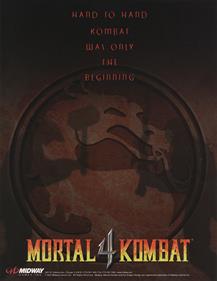
Historical TV commercial: 1998 Mortal Kombat 4 home-console TV commercial
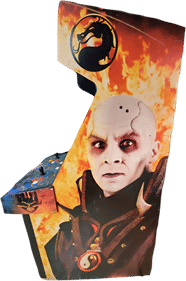
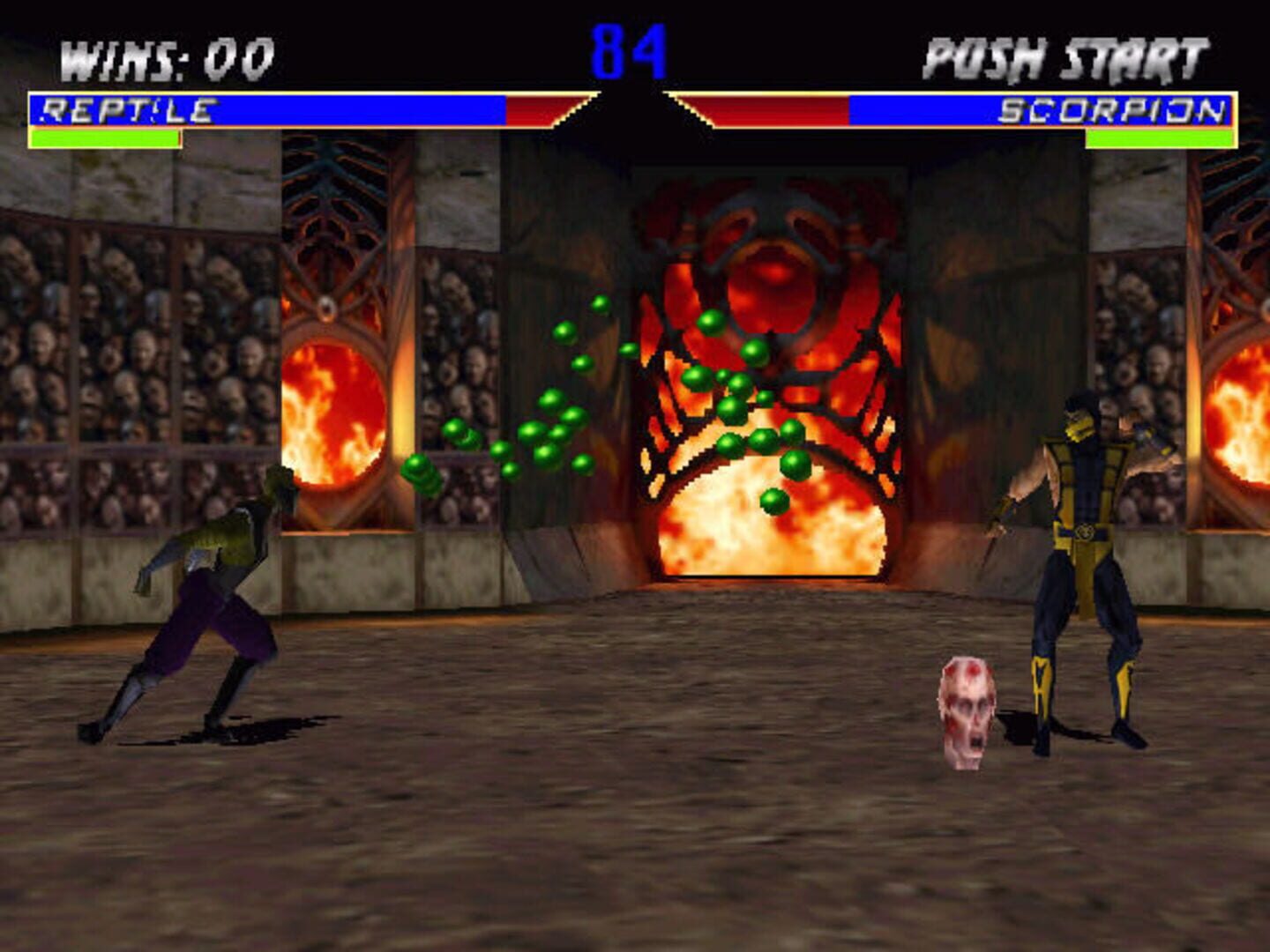
Mortal Kombat 4 shifts the mainline arcade fighting series into polygonal 3D presentation. Its arena and character models make it one of the most important technical transitions in the franchise. The later Dreamcast Mortal Kombat Gold expands a home version of this design instead of starting a new numbered era.
Arcade technology: The move from digitized two-dimensional actors to polygonal character models changed camera presentation and animation, while the basic tournament format remained recognizable. The cabinet, promotional flyer and enlarged screenshot above identify the 1997 arcade release, while the short gameplay video illustrates the distinct 1998 PlayStation home conversion. A reader comparing arcade MK4 with Mortal Kombat Gold should look at the available fighters, interface and hardware version instead of assuming Gold was a standalone numbered sequel. Check legitimate collection availability rather than treating an old fan download as a current publisher release.
8. Mortal Kombat Gold (1999)
Historical promotional trailer: Mortal Kombat Gold (1999) — early Dreamcast footage, including prerelease beta material
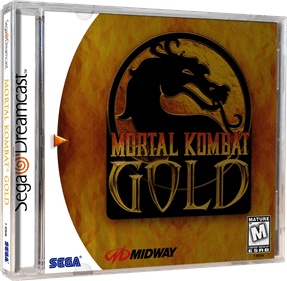
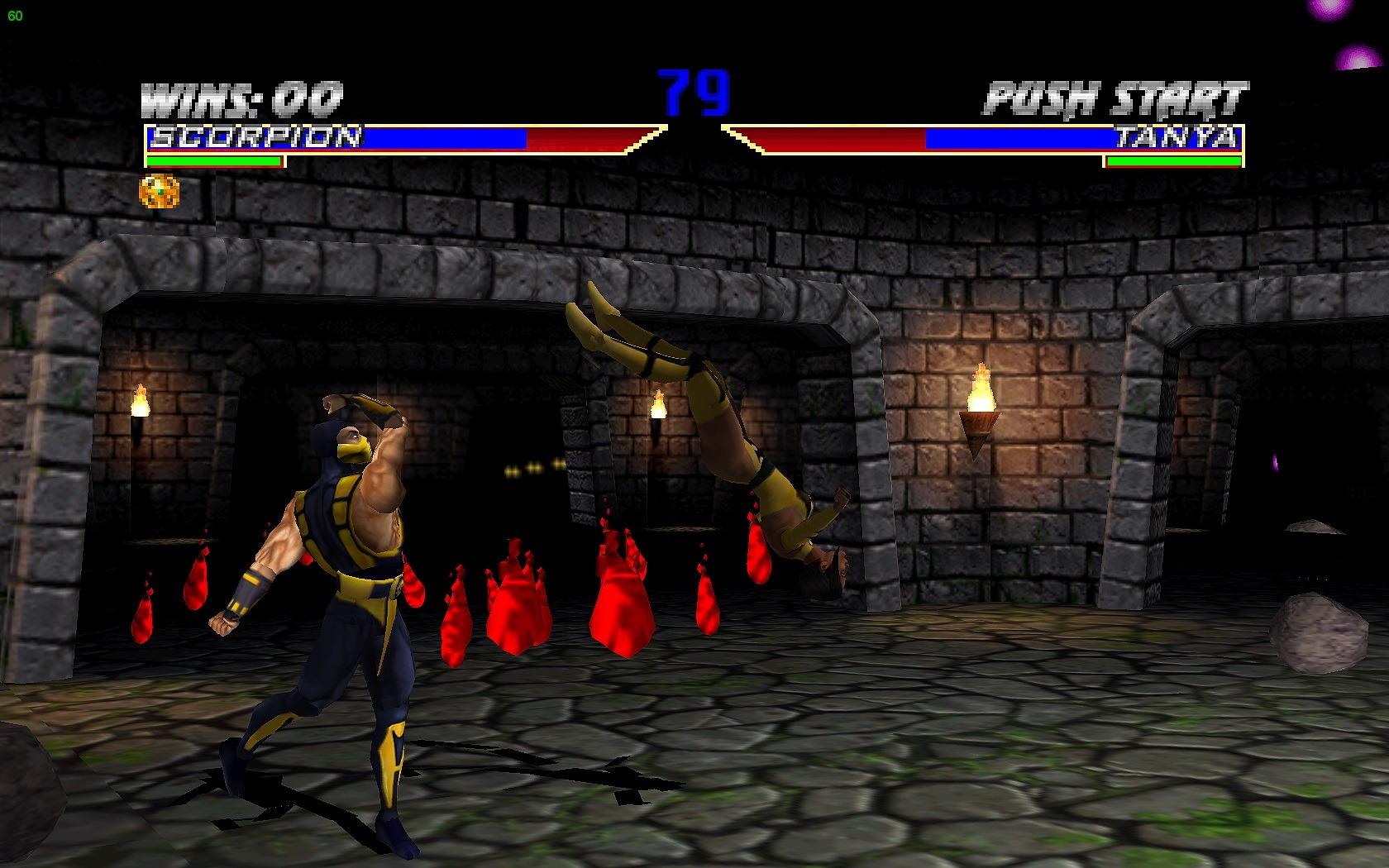
Gold is an expanded Dreamcast version connected to MK4, with additional content and hardware-specific differences. It can be worth tracking in a version matrix, but calling it a newly numbered MK5 would misrepresent the lineage. For hardware comparisons, note controller layout and arcade-to-console graphical differences.
Dreamcast-specific edition: Gold is a home-console expansion of the MK4 branch, with content and presentation associated with Sega’s Dreamcast era. The photographed Dreamcast jewel case makes the platform identification unambiguous, while the gameplay still shows the actual 3D fighting format. Vintage Dreamcast discs and hardware need their own compatibility checks; the existence of a modern entry named Mortal Kombat does not imply that it includes Gold. If you want the arcade origin of the mechanics, read the MK4 section immediately above.
9. Mortal Kombat: Special Forces (2000)
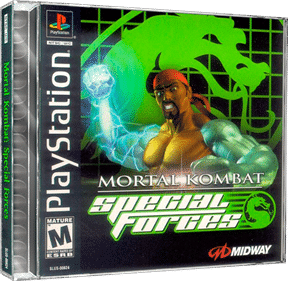
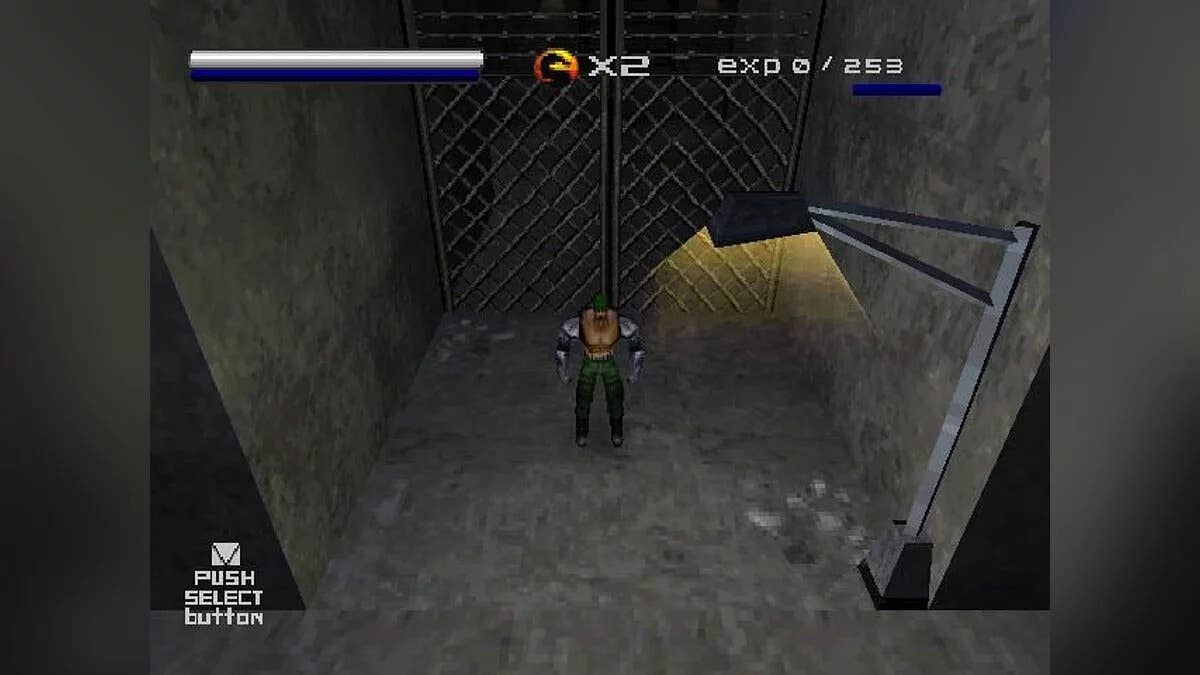
Special Forces is a Jax-centered action spin-off rather than the next primary tournament fighting game. It is useful in a complete franchise guide because fans may encounter it in old PlayStation listings. Buyers looking for versus gameplay should not mistake it for a standard MK sequel.
Reader buying note: This PlayStation-era title places Jax into a mission-based action game rather than head-to-head fighter selection. Its camera, objectives and pacing are closer to an action-adventure spin-off than an arcade fighting tournament. The pictured PlayStation case and still represent that distinct software, so do not use Special Forces footage as a comparison of classic versus-match controls. Digital preservation options should be checked against the licensed collection’s current title list, not assumed from a franchise logo alone.
10. Mortal Kombat: Deadly Alliance (2002)
Historical TV commercial: 2002 Mortal Kombat: Deadly Alliance TV commercial
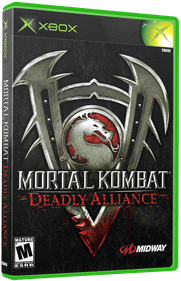
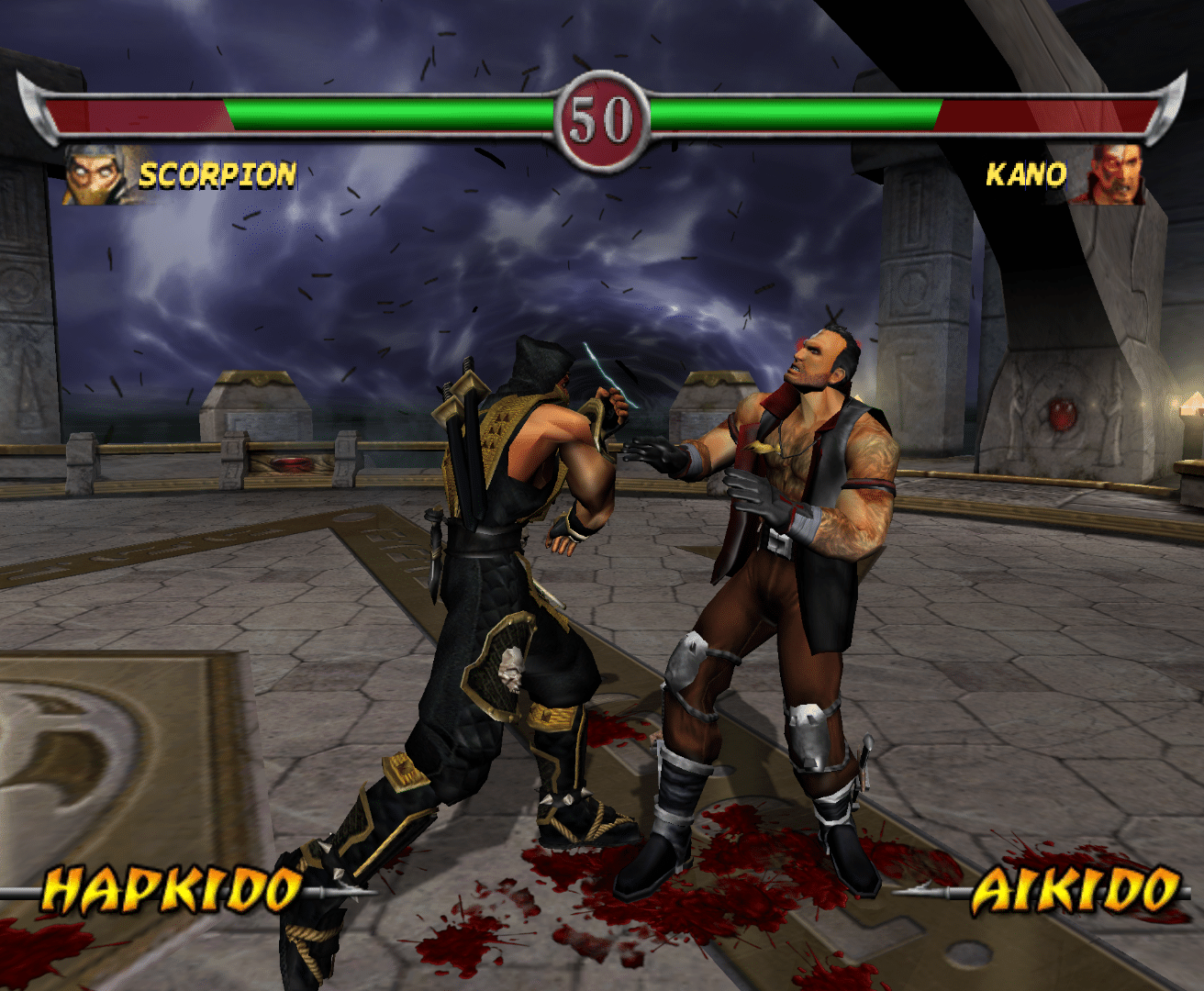
Deadly Alliance established the PS2/Xbox/GameCube generation’s emphasis on 3D arenas, character fighting styles and a redesigned combat rhythm. Its technical identity is different from both sprite-era MK and today’s Kameo-based games. Read the precise hardware compatibility notes before buying a secondhand copy.
Generation change: The main series moved deeper into three-dimensional combat and used multiple fighting styles per character, creating a very different controller rhythm from the digitized arcade era. Original home versions appeared on PlayStation 2, Xbox and GameCube, with separate handheld adaptations; a screenshot or gameplay recording must say which build it depicts. The illustrated case represents Xbox, while the enlarged gameplay still and independent video represent the original GameCube edition. Modern owners should research legitimate backward compatibility rather than assume a physical disc works on every successor console.
11. Mortal Kombat: Deception (2004)
Historical TV commercial: 2004 Mortal Kombat: Deception TV commercial
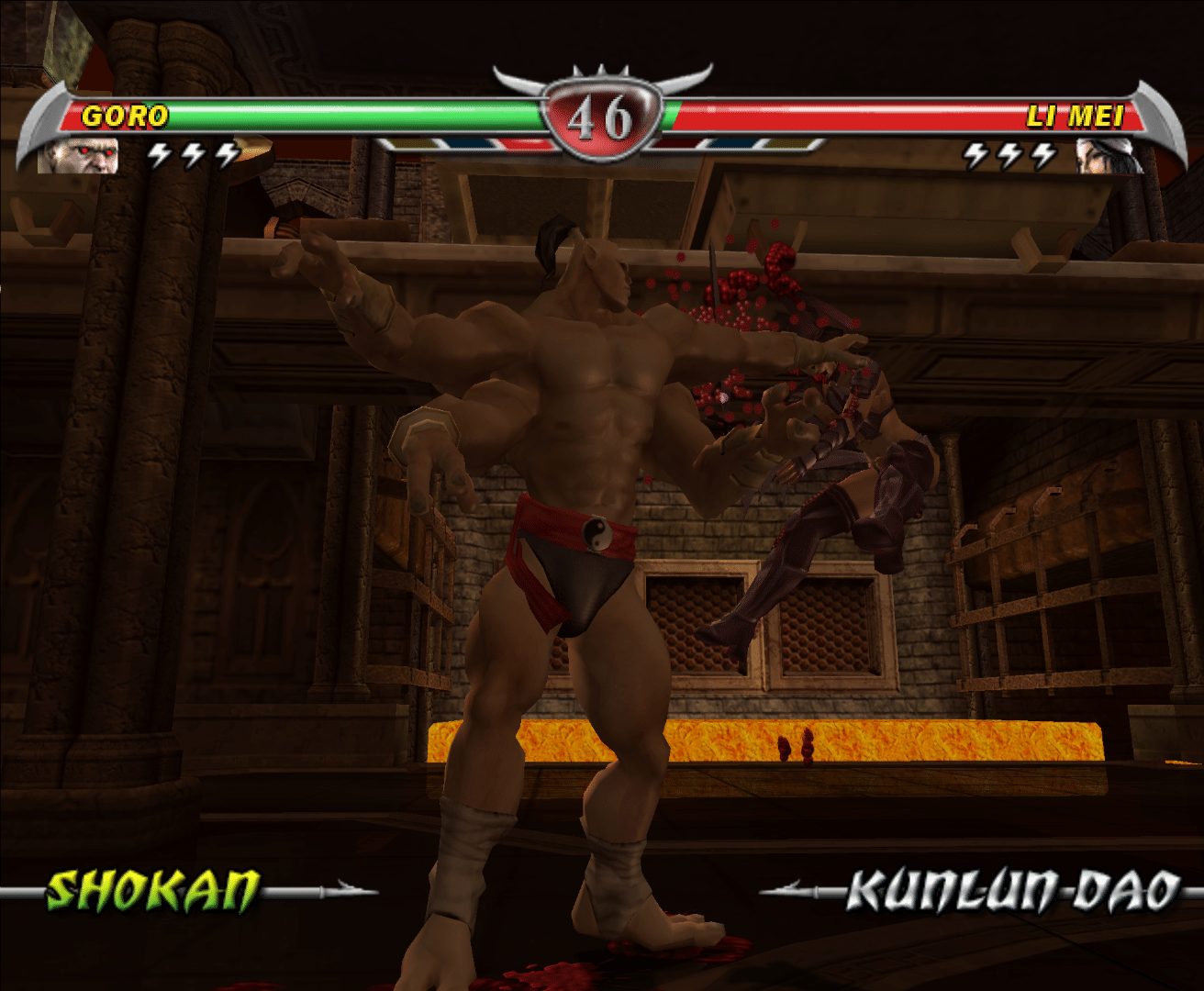
Deception expands the 3D fighting style and adds Konquest and other modes. Its later GameCube and handheld variants should be listed separately when tracking release dates or features. The gameplay still and separate video illustrate the later GameCube edition. A story-mode-focused player may value it differently from someone seeking arcade-authentic one-on-one mechanics.
Beyond versus fighting: This sequel expands its single-player Konquest mode and includes extra modes such as Chess Kombat and Puzzle Kombat, giving it a different feel from a simple arcade ladder. The original 2004 case represents PlayStation 2, while the enlarged gameplay still and video illustrate the later GameCube port; their presentation should not be treated as identical. It remains a legacy-console purchase for readers seeking the original disc, so confirm your system, controller and display setup first.
12. Mortal Kombat: Shaolin Monks (2005)
Historical TV commercial: 2005 Mortal Kombat: Shaolin Monks TV commercial
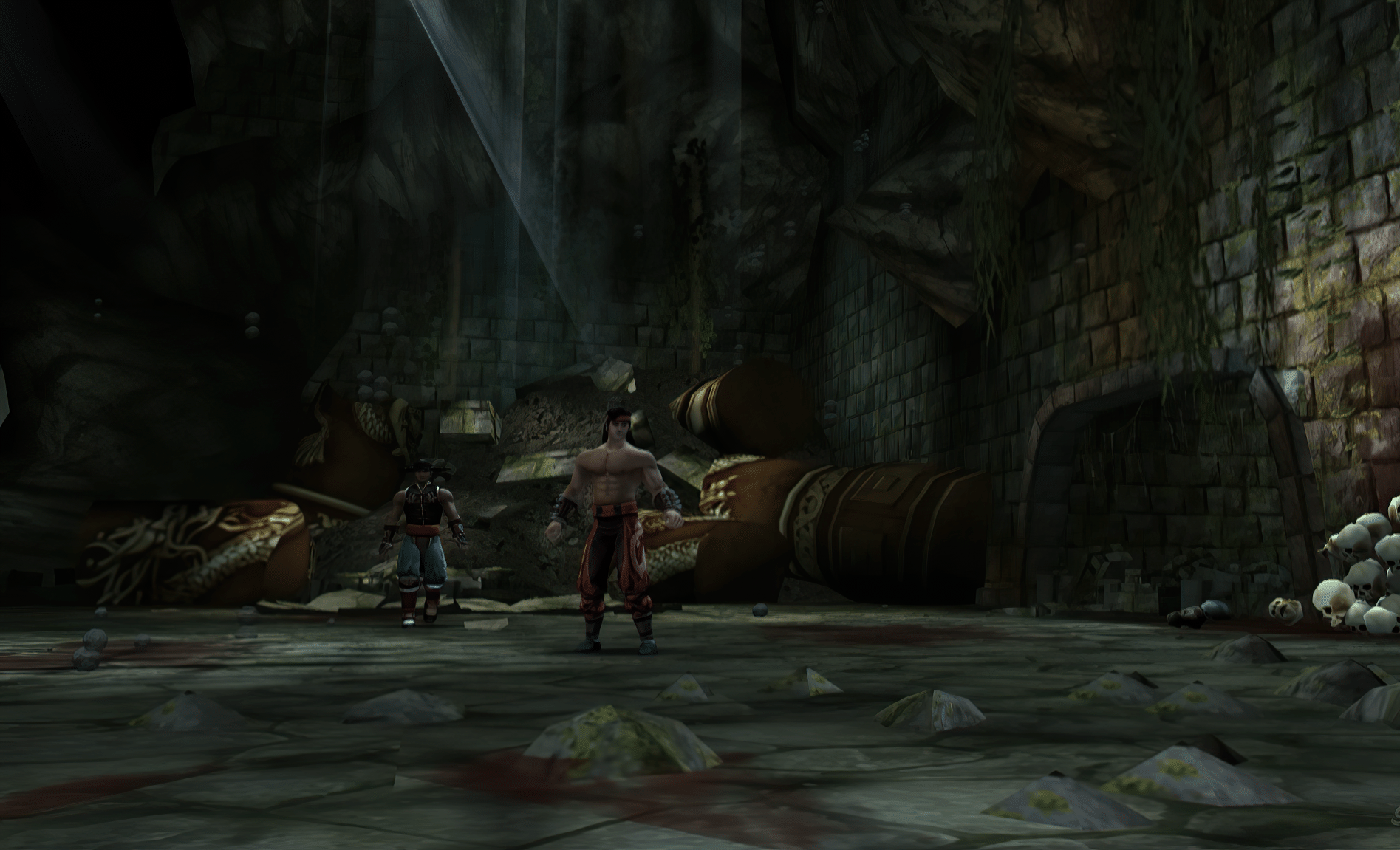
Shaolin Monks is a cooperative action-adventure interpretation of the original MK universe, not a conventional tournament fighting installment. Its presence in a chronological guide helps readers who remember fighting enemies side by side as Liu Kang and Kung Lao. Distinguish original console releases from fan projects or unavailable modern ports.
Best for cooperative action: Liu Kang and Kung Lao explore combat areas together, making this a strong choice for fans who like the setting but do not want another conventional tournament fighter. The PlayStation 2 gameplay shown here demonstrates the original title’s action-adventure format rather than competitive match footage. The game was released on PlayStation 2 and original Xbox; original hardware or carefully verified compatibility matters when shopping for a used copy. It should not be confused with unlicensed fan remakes circulating under similar names.
13. Mortal Kombat: Armageddon (2006)
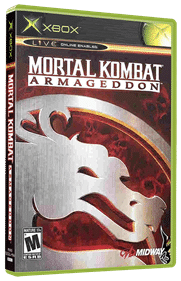
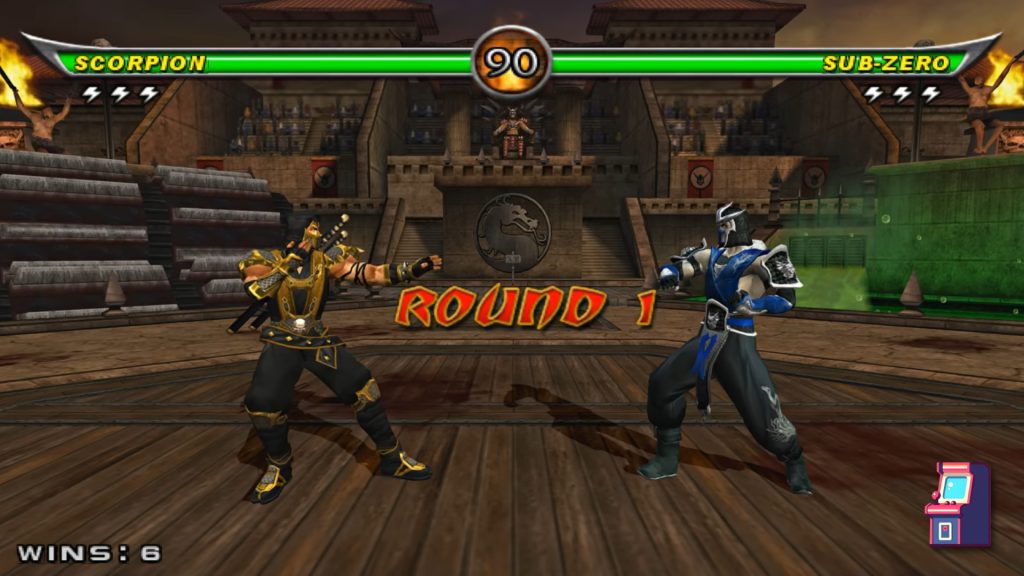
Historical TV commercial: 2006 Mortal Kombat: Armageddon TV commercial
Armageddon gathers a massive roster from the older continuity and closes much of the original 3D-era storyline. Custom fighter systems and broad selection are important selling points, while balance and animation tradeoffs are legitimate discussion topics. The later Wii release is a different platform version.
Why fans remember it: A very large fighter roster and custom-character options made Armageddon a distinctive culmination of the older continuity. Its Konquest adventure is not the same mode as a traditional local versus fight, so the video illustration here is explicitly identified as Konquest gameplay. Original PlayStation 2 and Xbox editions preceded the Wii version, whose interface and inputs may differ. A collector should compare the correct original disc version and required peripherals before spending money.
14. Mortal Kombat vs. DC Universe (2008)
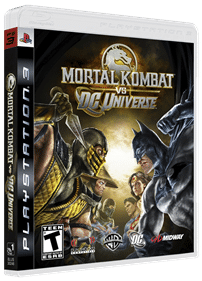
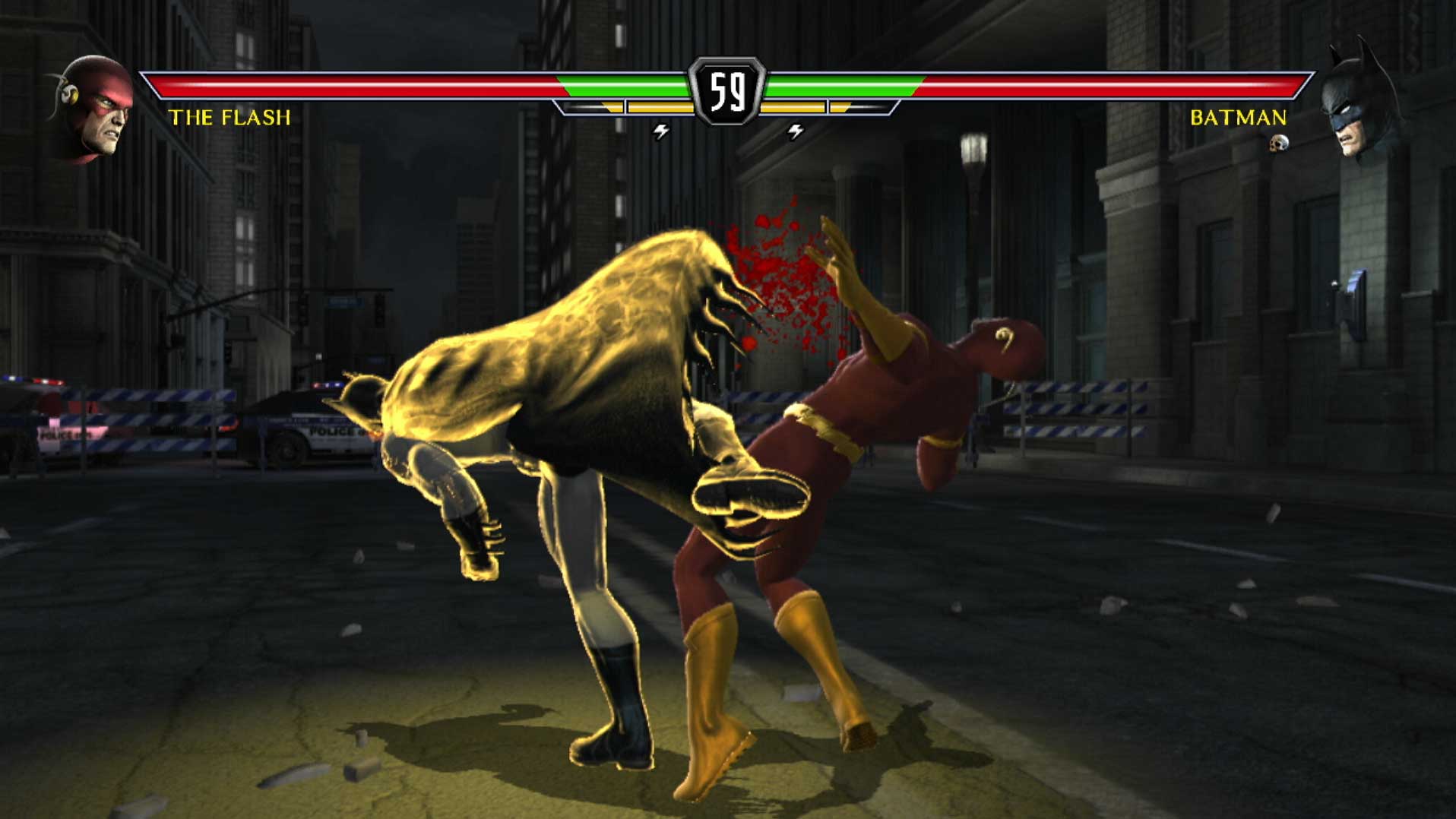
Historical TV commercial: 2008 Mortal Kombat vs. DC Universe TV commercial
The licensed DC crossover plays differently from later NetherRealm titles, including a different tone and finishing restrictions. It belongs in the wider franchise timeline but is not Mortal Kombat 9. For cross-media context, distinguish this game from comic adaptations and later Injustice games.
Franchise crossover: DC heroes and villains join the Mortal Kombat cast in a separate crossover continuity with its own rating and finishing-move approach. It is a PlayStation 3 and Xbox 360-era release, not an arcade original or an installment of NetherRealm’s later Injustice series. The cover art and game still identify this specific crossover. Do not interpret the presence of Batman or Superman as proof those characters appear in the mainline MK games released before or after it.
15. Mortal Kombat (2011)
Historical TV commercial: 2011 Mortal Kombat (MK9) US TV commercial
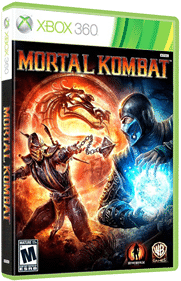
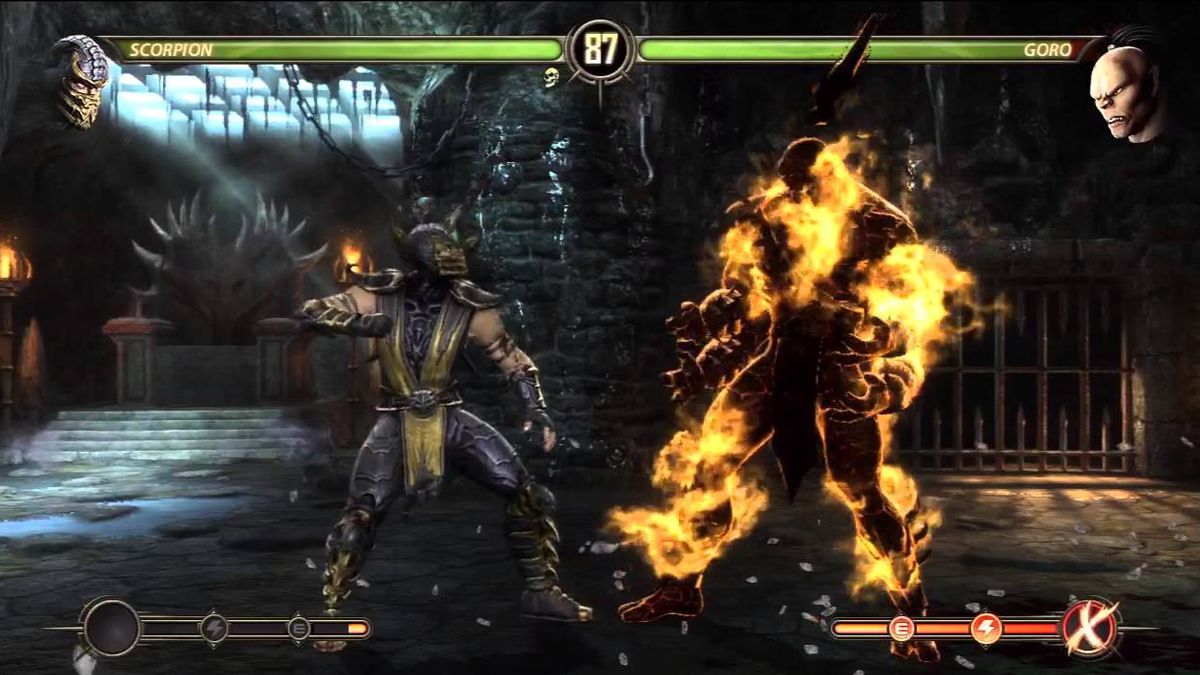
The ninth major fighting entry is titled Mortal Kombat, sometimes colloquially called MK9. It revisits the early tournament continuity using modern technology and a two-dimensional fighting plane. Do not confuse it with the 1992 arcade original, even though both carry essentially the same headline name.
Series reset: This reboot revisits the original tournament era while presenting modern combat on a two-dimensional fighting plane, including cinematic X-ray attacks. It was released for PlayStation 3 and Xbox 360, with a later PC release; editions and downloadable content can vary. The Xbox 360 case depicts that era’s retail release, while the wider screenshot uses the original PlayStation 3 version and the shorter video demonstrates its later PS3 Komplete Edition. The 2011 game is not the same title as the 2023 Mortal Kombat 1, despite both being reboots. The gameplay recording below illustrates the 2012 Komplete Edition release of this original fighting game.
16. Mortal Kombat X (2015)
Gameplay trailer / reveal: 2015 official Who’s Next? gameplay trailer (1:55)
Actual gameplay: 2015 GameSpot original gameplay — Johnny Cage story mode (6 minutes)
Story mode opening; contains plot spoilers.
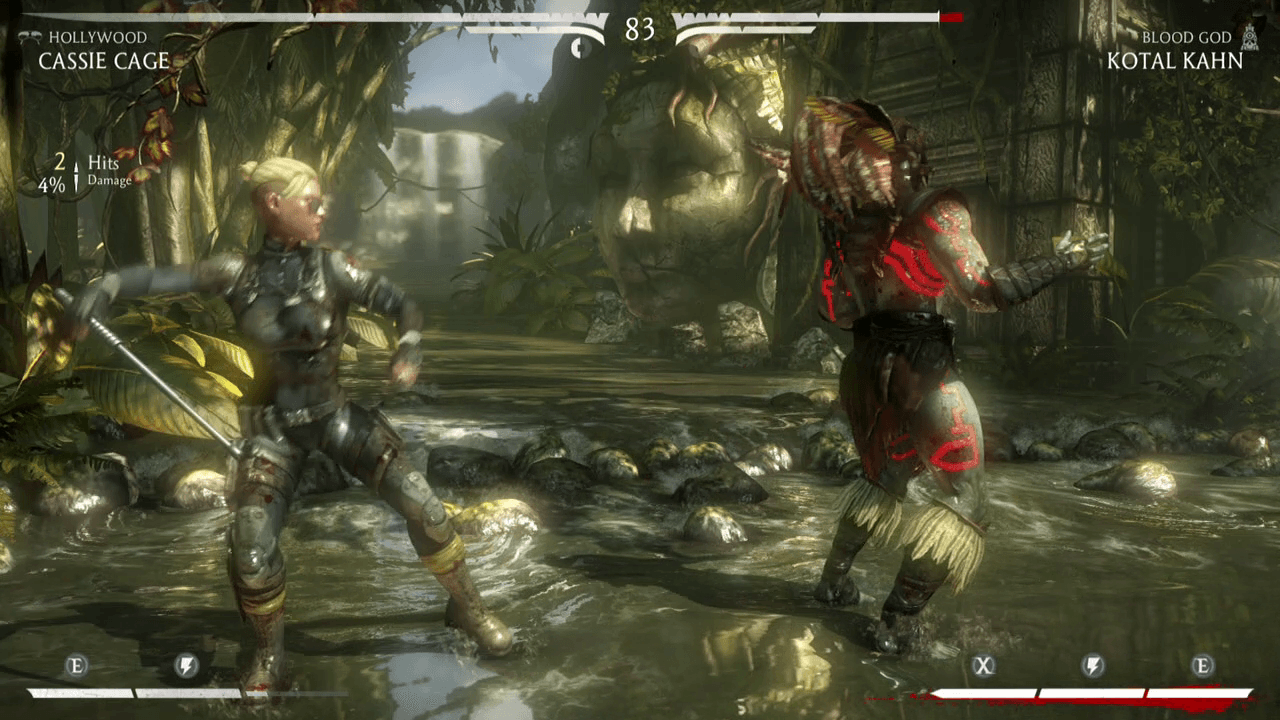
MKX advances the new-era story with a younger-generation roster and character variations that affect attack options. It is distinct from its XL bundled edition, which changes included content rather than creating MKXI. Online status, DLC and platform support should be verified with current storefront listings.
Playing and buying: The game’s fighting-style variations let the same character use different move sets, so an isolated fight clip cannot show every option. Mortal Kombat XL is a later content bundle, not a separate numbered mainline sequel. PlayStation 4, Xbox One and Windows PC were principal platforms, but online services, regional store listings and download rights should be checked before buying. The larger gameplay still above is separate from the original promotional cover.
17. Mortal Kombat 11 (2019)
Gameplay trailer / reveal: 2019 official gameplay reveal trailer
Actual gameplay: 2019 GameSpot Gameplay — D’Vorah vs. Jax full match (Short original-match upload)
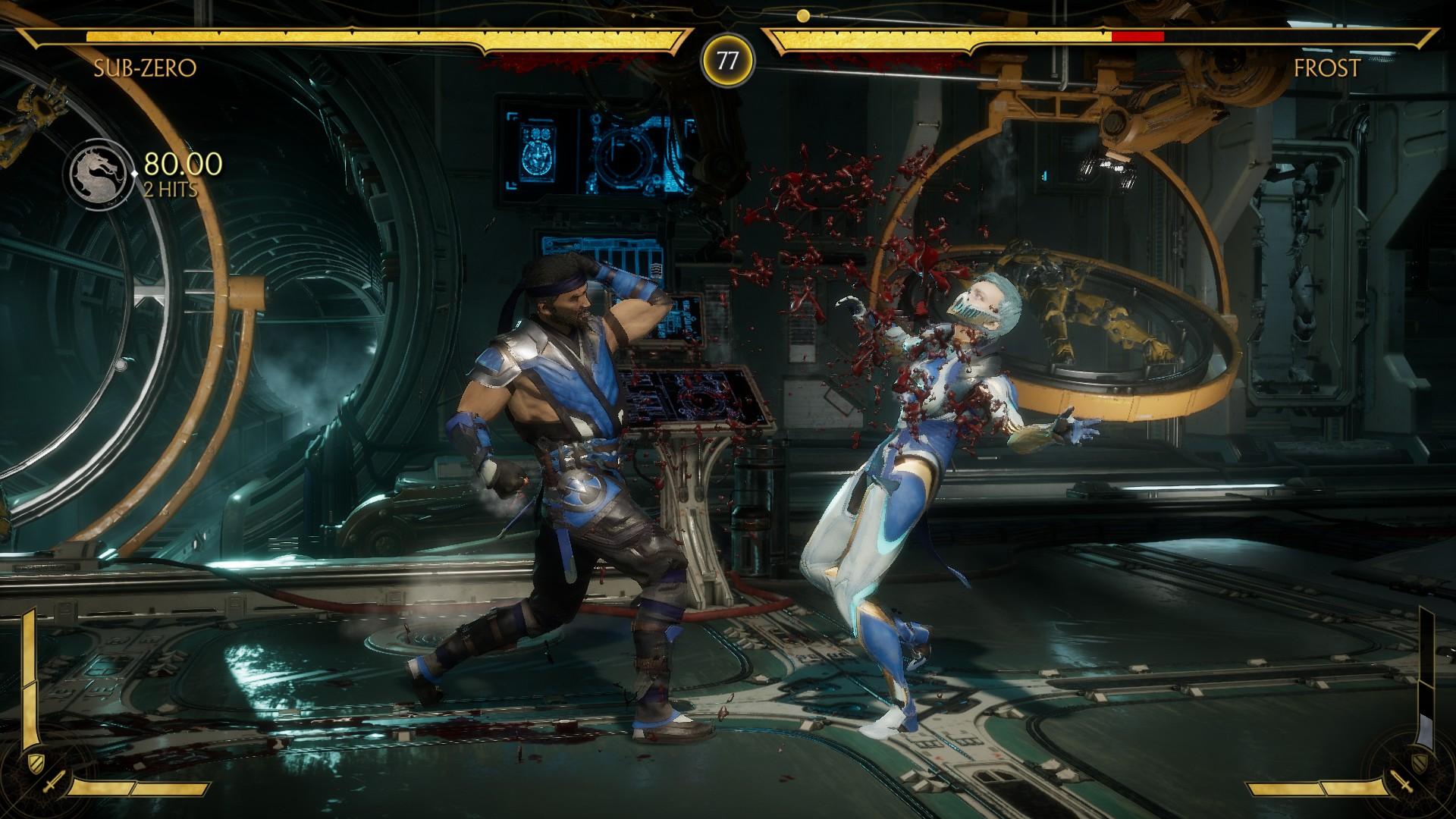
MK11 emphasizes cinematic presentation, meter-based resource choices, Krushing Blows and Fatal Blow mechanics. The Ultimate package is an expanded edition, not the twentieth mainline release. Compare the core fighting system, story content and package entitlements when deciding which contemporary game suits a player.
Edition guide: MK11 adds timing- and resource-based systems such as Krushing Blows and Fatal Blows, emphasizing a different match pace from MKX. The Aftermath story expansion and Ultimate edition change included content, so comparing two prices requires checking the exact package rather than comparing title alone. Availability spans multiple console generations and PC; performance and DLC entitlements vary by edition. The gameplay screenshot is from contemporary coverage of the 2019 game.
18. Mortal Kombat 1 (2023)
Gameplay trailer / reveal: 2023 official gameplay debut trailer (Approximately 4 minutes)
Actual gameplay: 2023 IGN developer-played full matches (7:49)
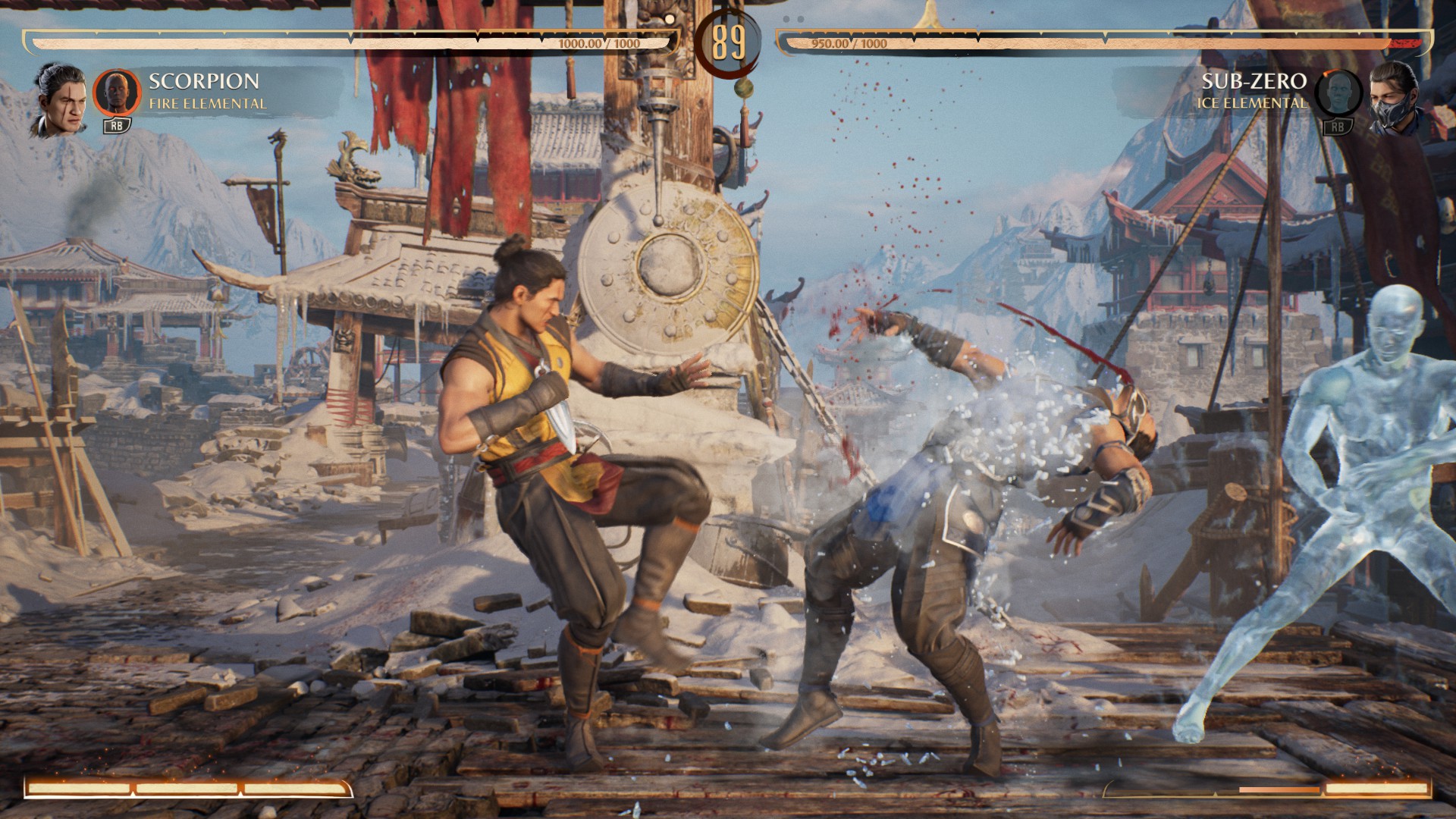
This new-era reset uses Liu Kang’s recreated universe and Kameo partners, altering combo and team-assist decision making. The title is deliberately ‘1’ despite decades of prior games. For technical decisions, check whether a specific PS5, Xbox Series, Switch or PC version supports the modes and performance you expect.
Modern platform choice: Warner Bros. describes the Kameo Fighter system as a separate roster of assist characters used during matches. The original 2023 launch covered PlayStation 5, Xbox Series X|S, Nintendo Switch and Windows PC; performance and feature support can differ across systems. Definitive Edition later bundled major downloadable content, so check the contents of the exact edition you are buying. This is an all-new era in the fiction, not a remake of the 1992 arcade software.
19. Mortal Kombat: Legacy Kollection (2025)
Digital Eclipse’s historical collection provides 23 playable game versions and a documentary framework. That number counts playable platform builds, not 23 newly created standalone sequels. Its October 30, 2025 digital release and its supported systems are documented by the developer; consult the official launch FAQ for the version list, online feature details and platform specifics.
Best legal historical starting point: Digital Eclipse combines arcade, console and other select classic builds with an interactive documentary and historical context. The 23-playable-version total refers to preserved builds and ports, not 23 unique mainline sequels. Its on-screen move assistance and developer-documented differences make it useful for comparing original releases without installing unofficial ROM collections. Consult the publisher’s current platform and feature FAQ before choosing a digital or physical edition.
Collection verification: the Digital Eclipse developer FAQ records 23 playable historical versions across its supported platforms. The count does not imply that all modern MK releases are bundled.
The three families of Mortal Kombat history
The first family is the classic Midway arcade era: Mortal Kombat through Ultimate Mortal Kombat 3 and the transition to MK4. The second is the later 3D-focused console era, particularly Deadly Alliance, Deception and Armageddon. The third is the NetherRealm reboot era, beginning with Mortal Kombat (2011), followed by X and 11, and then Mortal Kombat 1’s reset universe. This classification is about game-development generations, not a claim that any installment has a single simple story timeline.
1992–1996: arcade originals, editions and censorship
The early games became famous for digitized actors, deliberate hit feedback, special moves, a dedicated block button and especially their finishing sequences. But a SNES copy, a Genesis copy and an arcade board are not automatically the same software. Colors, sound samples, animation frames, available finishers, controller mapping and region-specific content may differ. Mortal Kombat 3 should be separated from Ultimate MK3; Trilogy is a home-console compilation/reconfiguration. An accurate gaming guide needs a version row before making a graphics, violence or performance comparison.
1997–2006: the 3D and action-adventure branches
Mortal Kombat 4 introduces polygonal fighting while Mythologies: Sub-Zero and Special Forces are action-led side projects. Deadly Alliance, Deception and Armageddon are the central 3D-era fighting releases. Shaolin Monks deserves its own historical mention for cooperative action play, without being counted as the next numbered fighter. A buyer playing today must decide whether the objective is historical arcade authenticity, a large PS2-era roster, a single-player campaign, or modern competitive online play.
2008–2023: crossovers, reboots and Kameos
MK vs. DC Universe is a licensed crossover with its own design limitations; it is not equivalent to the Injustice franchise despite the shared DC connection. Mortal Kombat (2011) resets the gameplay focus toward a two-dimensional plane while using contemporary presentation. MK X emphasizes variations, MK11 expands cinematic presentation and timing options, and Mortal Kombat 1 reimagines the universe with Kameo assistance. Modern game rankings should report both competitive depth and the quality of tutorials, local play, online access and story content instead of allowing character popularity alone to decide the score.
What is the Legacy Kollection?
Digital Eclipse’s 2025 collection provides a curated historical selection of arcade and console releases, presented with documentary material. A port of Mortal Kombat II for one handheld and an arcade version can have distinct programming and rules, which is why the Kollection should be treated as a version-and-platform museum. Consult the publisher’s official collection information to confirm the full version roster, platform entitlements, rollback online limitations and updates instead of assuming every historic release is included.
Ports, portable games and mobile releases
The Game Boy, Game Gear, Sega 32X, SNES and Genesis releases are important to the franchise’s technical story, but a mainstream chronology should not treat each as a new sequel. Deception’s Unchained adaptation and other portable revisions belong in a separately identified ports table. Mortal Kombat Mobile and free-to-play spin-offs are adjacent to, not replacements for, console MK1 or MK11. Cartridge revisions and regional versions may require a separate specialist article if differences are substantial.
Which game should a newcomer play?
For living-room multiplayer and current visual presentation, start with the modern title supported on your hardware. For historical context, explore the official collection or legally owned original releases. For fans of the 3D-era campaigns, research which physical discs and compatible older consoles are available. Do not assume previous-generation consoles automatically play every earlier game. If buying a gamepad or fight stick, check connectivity and platform compatibility through the PCFix411 controller buying guide.
Mortal Kombat Movies vs. Games: How the Stories Connect
The Mortal Kombat movies and animated adaptations borrow characters, settings and mythology from the games, but they do not necessarily follow the games’ release order or storyline scene for scene. For screen adaptations, see PopWatcher’s game-versus-screen comparison. For choosing what to play, use the game release chronology and platform notes in this guide.
Mortal Kombat Games in Order: Frequently Asked Questions
Is Mortal Kombat 1 (2023) the first game?
No. The first Mortal Kombat debuted in arcades in 1992. The 2023 game is a newer narrative reset, with a separate fighting system and Kameo support.
Are Ultimate Mortal Kombat 3 and Mortal Kombat Trilogy numbered sequels?
No. Ultimate Mortal Kombat 3 revises and expands the 1995 arcade game. Mortal Kombat Trilogy combines material from several early games for console platforms, with edition-specific differences.
Does the 2025 Legacy Kollection include every Mortal Kombat game?
No. Digital Eclipse’s 2025 collection concentrates on 23 playable historical builds from the series’ early decades, plus documentary material. It is not a bundle of every NetherRealm-era game; check its official included-version list before buying.
What is the best way to experience the original arcade games?
Use a licensed modern compilation that explicitly includes the arcade builds, or original compatible arcade hardware if you have access. Screenshots from SNES, Genesis, Sega 32X, PlayStation and other ports can differ from the arcade originals in presentation and features.
Can I play every Mortal Kombat game on a current console?
No. Several original PlayStation, Dreamcast and PlayStation 2 games remain tied to legacy hardware or limited catalog availability. Check the exact current storefront edition and compatibility before purchasing a used disc, collector’s console or modern compilation.
Sources, Editions and Last-Updated Information
Last reviewed November 17, 2026. Initial release years refer to original games or substantially different editions. A later home port or downloadable bundle is not automatically a newly numbered mainline game. Availability changes by region, storefront, hardware and license; verify the specific release before ordering a used disc or console.
- Digital Eclipse — Legacy Kollection launch FAQ: included versions, 23 playable builds, original console differences and feature details.
- Digital Eclipse — official Legacy Kollection overview: historical preservation and documentary context.
- Warner Bros. Games — Mortal Kombat 1 launch announcement: 2023 game, hardware platforms and Kameo Fighter system.
- Official Mortal Kombat 1 FAQ: product and platform features, edition differences and connectivity.
- LaunchBox Games Database: independently cataloged vintage game cases, cabinet artwork and historical screenshots, with game/version identification.
Embedded videos are hosted by their original publishers or uploaders.