Some links on PCFix411 may earn a commission from GearReady, software partners, or Amazon Associates at no extra cost to you.
PS5 Pro vs Xbox Series X vs gaming PC in 2026 is no longer a simple console-versus-computer argument. PS5 Pro adds PSSR and stronger ray tracing to Sony’s mature platform, Xbox Series X continues to target 4K with a powerful fixed RDNA 2 design, Xbox Series S provides a lower-cost current-generation entry point, and modern PC graphics cards such as the GeForce RTX 5060 and Radeon RX 9060 XT make 1080p and 1440p gaming increasingly accessible.
The wrong way to compare them is to pick one teraflop number and call one platform “equivalent” to another. The right way is to compare the experience you are actually buying: resolution, frame rate, image reconstruction, ray tracing, storage, game library, input, upgrades, total system cost and everything else you need the machine to do.
This guide treats consoles as complete systems and PCs as configurable performance tiers. That produces a much more useful answer than pretending an RTX 5060, RX 9060 XT or any other GPU is a perfect drop-in equivalent for a PS5 Pro or Xbox Series X.
PS5 Pro: Sony’s Premium Performance Strategy
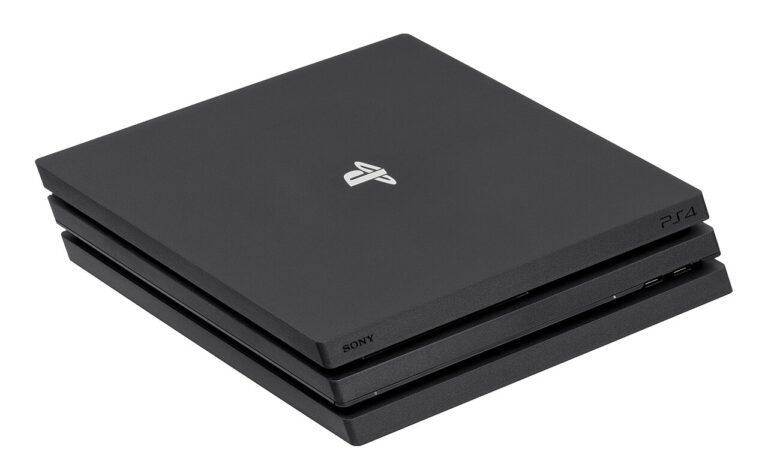
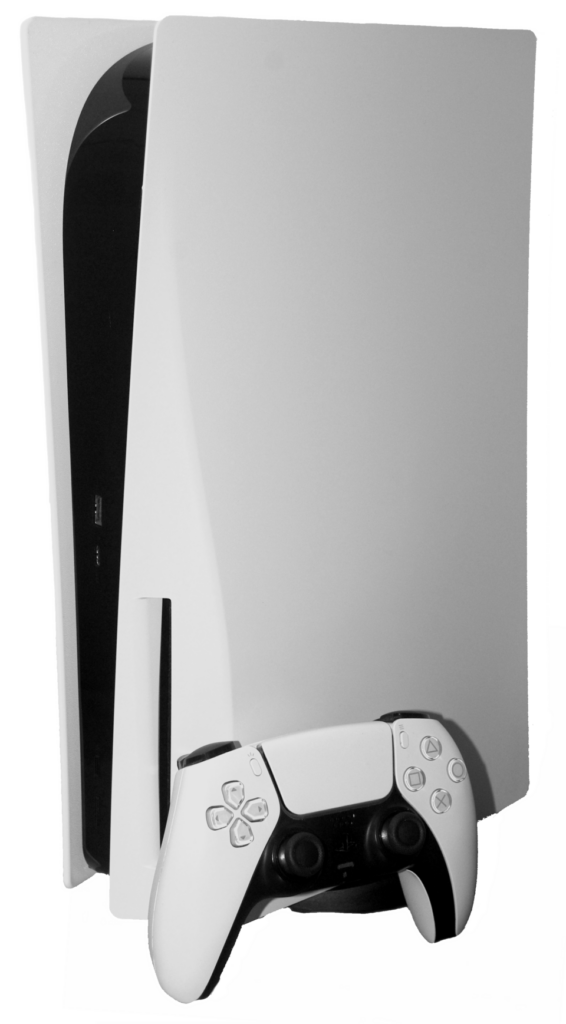
Sony says PS5 Pro’s upgraded GPU has 67% more compute units than the base PS5 and 28% faster memory, enabling up to 45% faster rendering in gameplay. It also adds more capable ray tracing and PlayStation Spectral Super Resolution, or PSSR, an AI-driven reconstruction system designed to improve image clarity while developers pursue higher frame rates.
The value proposition is straightforward: reduce the compromise between a traditional quality mode and performance mode without turning console ownership into PC building. Supported games can combine higher fidelity with 60Hz or 120Hz display support, but results still vary by title and developer implementation.
Xbox Series X: Fixed 4K Hardware With a Mature Ecosystem
Microsoft’s current Series X specifications list an eight-core Zen 2 CPU, a 12-TFLOP 52-CU RDNA 2 GPU, 16GB GDDR6 and NVMe storage. The platform targets true 4K gaming and supports up to 120fps, variable refresh rate and hardware-accelerated ray tracing.
Its biggest practical strength in 2026 is not a single benchmark. It is the combination of a known hardware target, a large Xbox ecosystem, backward compatibility and a mature software stack. If you want a living-room system and do not want to think about RAM kits, power supplies, driver versions or graphics settings, that simplicity has real value.
Xbox Series S: The Lower-Cost Current-Generation Lane
Series S shares the same CPU architecture and software generation as Series X but uses a 4-TFLOP 20-CU RDNA 2 GPU, 10GB GDDR6 and a 1440p target. It supports up to 120fps in compatible titles, but its lower graphics and memory resources mean developers may use different resolution, texture or visual settings than on Series X.
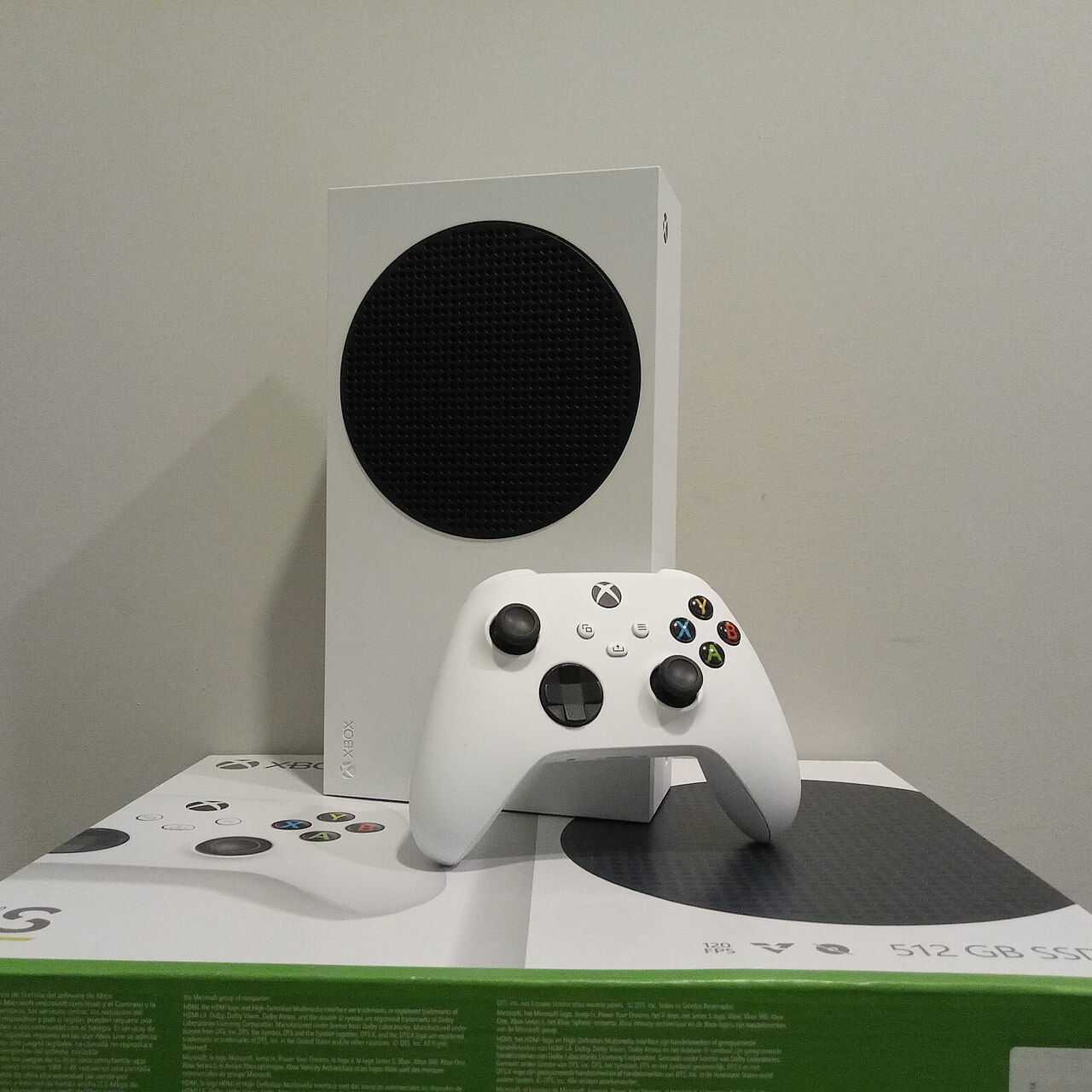
That makes Series S a particularly interesting comparison with a budget PC. The console is less flexible, but the total system is compact and optimized. A PC costs more to assemble as a complete machine, but the owner controls storage, graphics settings, peripherals and future upgrades.
2026 Hardware and Experience Comparison
| Platform | Core Graphics Position | Target Experience | Upgradeability | Best Reason to Buy |
|---|---|---|---|---|
| PS5 Pro | Enhanced PS5 GPU, PSSR, stronger RT | Higher-fidelity 4K-oriented console modes with smoother performance | Storage expansion; core hardware fixed | Premium PlayStation experience without PC complexity |
| Xbox Series X | 12 TFLOPS, 52 CUs RDNA 2 | 4K-oriented; up to 120fps | Storage expansion; core hardware fixed | Xbox library, backward compatibility, simple 4K gaming |
| Xbox Series S | 4 TFLOPS, 20 CUs RDNA 2 | 1440p target; up to 120fps | Storage expansion; core hardware fixed | Lower-cost current-gen access |
| RTX 5060-class PC | Blackwell, 8GB GDDR7, DLSS ecosystem | Strong 1080p; selective 1440p depending on game/settings | High | Modern PC features at an entry current-GPU tier |
| RX 9060 XT-class PC | RDNA 4, 8GB/16GB market variants | Strong 1080p; 16GB version offers more memory headroom | High | Strong raster value in a modern desktop |
| RX 9070 / RTX 5070-class PC | Higher mainstream current tier | Stronger 1440p, more high-refresh headroom | High | For buyers who want a clearer performance step above console-like targets |
RTX 5060 vs RX 9060 XT: Do Not Compare the GPU Price to the Console Price
NVIDIA lists the RTX 5060 with 3,840 CUDA cores and 8GB of GDDR7. AMD’s RX 9060 XT uses 32 compute units and is available in 8GB and 16GB configurations. Independent 2026 hierarchy testing places these cards in the value conversation for 1080p gaming, but that does not mean a $299-class GPU creates a $299 gaming PC.
A complete desktop also needs a CPU, motherboard, memory, SSD, power supply, case, cooling and an operating environment. If you already own a capable PC and are replacing only the GPU, the economics are completely different from starting with an empty desk.
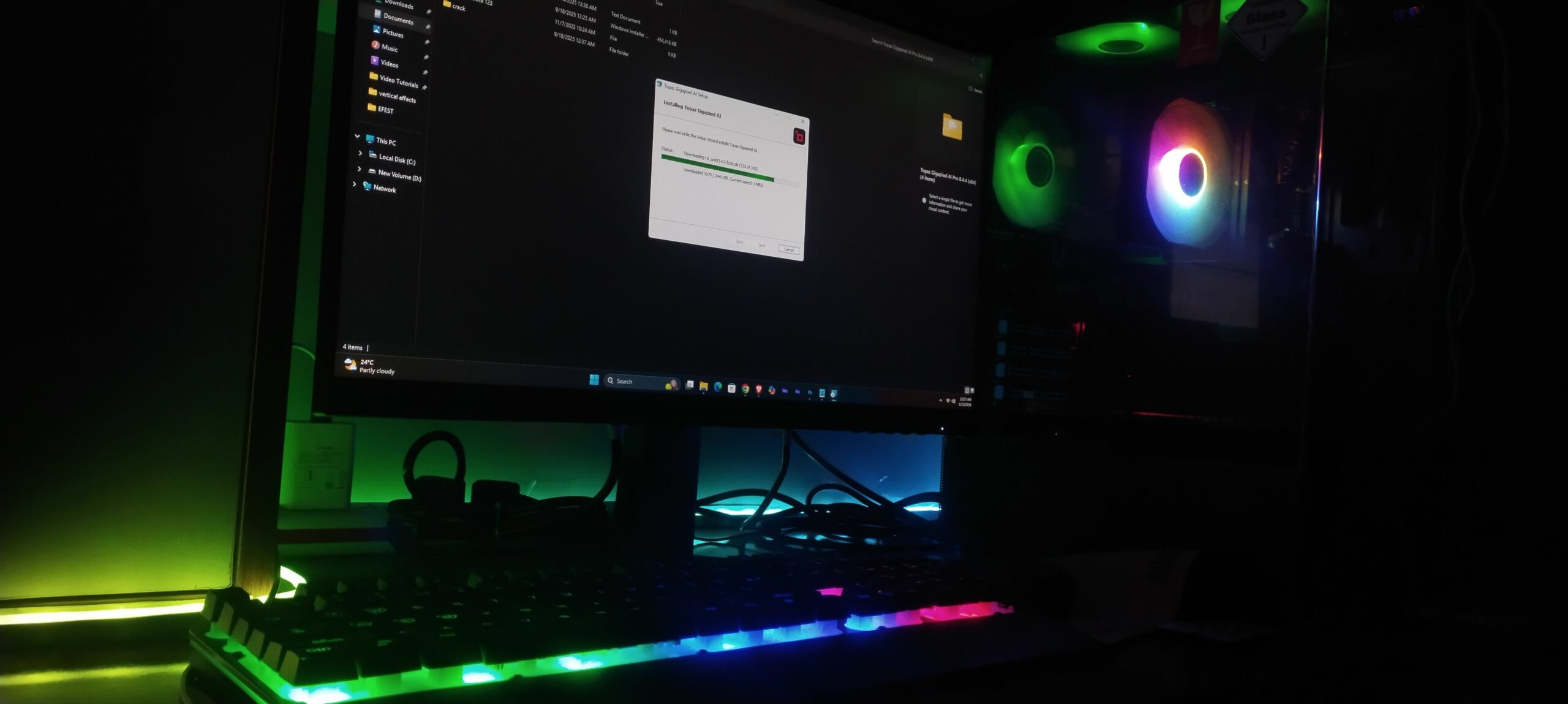
There Is No Honest “Console GPU Equivalent”
One of the most searched questions in gaming hardware is which PC graphics card equals a console. It is useful only as a rough orientation. Consoles share memory between CPU and GPU, use fixed APIs, run tightly controlled operating environments and allow developers to optimize for one hardware target. PC graphics cards sit inside thousands of possible CPU, memory, motherboard and software combinations.
Even when raw compute looks similar, ray tracing hardware, cache design, memory bandwidth, drivers and reconstruction techniques can change the result. A better comparison is to take five games you care about, define your target resolution and frame rate, then compare actual benchmark results at settings you would realistically use.
PSSR vs DLSS vs FSR: Reconstruction Is Part of the Performance Budget
Modern gaming systems increasingly render internally at one resolution and reconstruct the final image using temporal or machine-learning techniques. PS5 Pro uses PSSR. NVIDIA’s RTX platform uses DLSS. AMD continues to develop FSR and associated frame-generation tools.
That changes how buyers should think about “native 4K.” Native rendering is still useful as a benchmark, but a well-implemented reconstruction mode can deliver a better balance of image quality and frame rate. Conversely, aggressive upscaling can produce artifacts. Compare the actual implementation in the games you play rather than judging from the technology name alone.
60fps vs 120fps: Your Display Decides Whether the Extra Performance Matters
Both PS5 Pro and Xbox Series consoles support 120Hz output in compatible games. PC can go far beyond 120fps in competitive titles, but the display must support the refresh rate. A 60Hz television cannot show 144 unique frames every second.
Before paying for a stronger GPU, identify your monitor or TV resolution, refresh rate, VRR support and HDMI/DisplayPort capabilities. A well-matched 1440p high-refresh setup can be more satisfying than chasing 4K at the expense of frame rate.
Ray Tracing: Console Consistency vs PC Scalability
Sony specifically highlights more powerful ray tracing on PS5 Pro, with certain ray calculations running at double or triple the speed of the base PS5 in supported implementations. Xbox Series X also includes hardware-accelerated ray tracing. On PC, current GPUs expose multiple performance tiers and graphics settings, so you can choose how much ray tracing to enable and compensate with upscaling or frame generation.
The PC advantage is scalability. The console advantage is curation: developers choose a smaller set of modes and optimize around known hardware.
Storage and Game Size Matter More Than Spec Sheets Admit
Fast SSD storage is standard across PS5 Pro, Xbox Series and modern gaming PCs. The bigger ownership question is capacity. Large modern games can consume substantial space, so a system with a fast drive can still become frustrating if you constantly uninstall and reinstall titles.
PC offers the broadest choice in NVMe capacity and pricing. PS5 supports compatible M.2 SSD expansion. Xbox Series X|S supports expansion cards that match the internal storage performance plus USB storage for compatible older games. Compare cost per usable terabyte, not only the capacity printed on the box.
Game Libraries: The Platform Decision You Cannot Benchmark
If your friends, saves, achievements and purchased games already live on one platform, that ecosystem has value. PlayStation buyers may care most about Sony’s catalog and DualSense features. Xbox buyers may value backward compatibility and Game Pass. PC buyers may have years of Steam, Epic, GOG or other purchases plus access to mods and community tools.
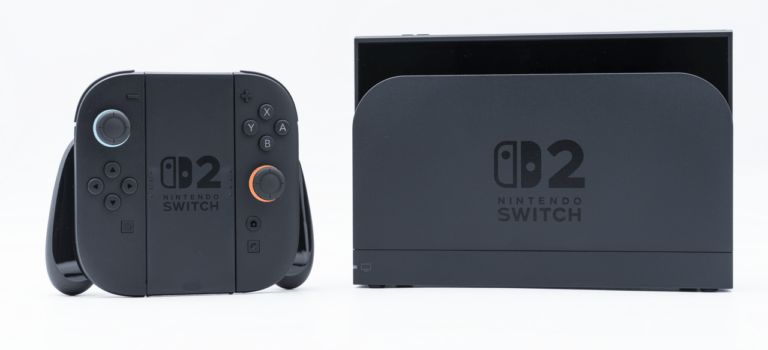
Nintendo Switch 2 should also be part of the household decision even though it is not the primary performance rival here. A family may pair a PS5 Pro or PC with Switch 2 because Nintendo’s exclusives and portable play solve a different need.
Console Simplicity Has Economic Value
PC discussions often treat configurability as automatically better. It is better only if you want to configure things. A console owner can avoid part compatibility, driver management, graphics presets and most troubleshooting. That time has value.
For someone who works on computers all day and wants to sit on the couch at night, a PS5 Pro or Series X may be worth more than a technically faster PC. For a creator who needs a powerful desktop anyway, the gaming capability can be almost a bonus on top of the work machine.
PC Flexibility Has Economic Value Too
A desktop can absorb upgrades instead of forcing full-platform replacement. You can add storage this year, replace the GPU later and keep the case, power supply and peripherals. A gaming PC can also earn its keep through editing, streaming, programming, AI workloads or business use.
That broader utility is why total-cost comparisons should include what the machine replaces. A $1,200 PC that replaces a gaming system and a separate work computer may be more rational than a $500 console plus another computer. The opposite is true if you already have a good laptop and only need a game box.
2026 Buyer Recommendations by Scenario
| Scenario | Best Starting Point | Why |
|---|---|---|
| Premium PlayStation household with 4K TV | PS5 Pro | PSSR, enhanced RT and higher-performance console modes without PC setup |
| Xbox-first household with 4K TV | Xbox Series X | Mature Xbox ecosystem, 4K target, backward compatibility |
| Lowest-cost current-generation Xbox access | Xbox Series S | Same generation, lower GPU/storage tier |
| 1080p PC buyer who also needs a computer | RTX 5060 / RX 9060 XT-class PC | Strong modern 1080p plus desktop utility and upgrades |
| 1440p high-refresh enthusiast | RX 9070 / RTX 5070-class PC or higher | More consistent headroom at high refresh rates |
| Creator/streamer who games heavily | Gaming PC | One machine handles gaming, OBS, editing and production |
Best Companion Purchases Instead of a More Expensive Platform
Sometimes the best upgrade is not a new console or GPU. A better monitor, headset, controller, SSD, charging solution, capture device or network upgrade can improve every session. That is especially true when the current hardware already meets your frame-rate target.
How to Choose Without Regretting the Purchase
- List your five must-play games. Eliminate any platform that cannot run them the way you want.
- Check your display. Note resolution, refresh rate and VRR support.
- Decide whether the machine must do work too. This is where PC economics change dramatically.
- Set a total-system budget. Include controllers, storage, subscriptions, monitor/TV and peripherals.
- Choose a performance target. 1080p60, 1080p120, 1440p high refresh and 4K are very different budgets.
- Check real game benchmarks. Use the exact titles you play, not only synthetic tests.
- Value your existing library. Rebuying dozens of games can erase a hardware bargain.
Read the PCFix411 Console-vs-PC Series
This is the 2026 successor to PCFix411’s original 9th Generation Gaming Consoles vs Equivalent NVIDIA and Radeon PC Setups. Also see Console vs Gaming PC in 2026 and PS4 Pro vs Xbox One X vs Budget Gaming PC in 2026.
Sources and Methodology
Platform specifications were checked against PlayStation’s official PS5 Pro documentation and launch material, Microsoft’s current Series X|S specifications, NVIDIA’s official RTX 5060 family specifications and AMD’s official RX 9060 XT specifications. Independent GPU context is based on current 2026 hierarchy testing rather than theoretical compute alone. Game-specific performance can change with patches, drivers, modes and reconstruction technology, so this article avoids claiming exact cross-platform GPU equivalence.
2026 Games That Expose the Real Differences
Current games make the comparison more useful than spec sheets alone because they show how reconstruction, ray tracing, frame-rate targets and platform optimization translate into actual play.



Where the Money Goes: Console Simplicity vs PC Flexibility
A console purchase is mostly a complete-system decision. A PC purchase is a stack: CPU, GPU, RAM, motherboard, SSD, power supply, case, cooling, display and peripherals. That is why comparing the sticker price of a PS5 Pro or Xbox Series X against the price of an RTX 5060 or RX 9060 XT alone is misleading.
The upside is that PC spending can be staged. A buyer can start with a mainstream GPU and later add storage, memory or a faster graphics card. Console buyers get a more predictable target but less room to reshape the machine later.
2026 Gaming Buyer Shortlist
Amazon Best Sellers in Video Games → for current consoles, games and accessories.
Current Xbox Series options → for readers leaning toward Microsoft’s ecosystem.
GearReady Gaming Accessories → and GearReady Portable Game Consoles → for supporting hardware and alternative gaming devices.
GearReady eBay Store → for used or rotating gaming inventory when available.
Affiliate disclosure: PCFix411 may earn a commission from qualifying purchases made through eligible affiliate links, at no additional cost to you.
2026 Games That Make the Hardware Differences Visible
The strongest way to understand PS5 Pro, Xbox Series X|S and a modern gaming PC is to look at games that actually use the hardware. Sony’s upgraded PSSR rollout in 2026 expanded the image-reconstruction story on PS5 Pro across games including Final Fantasy VII Rebirth, Cyberpunk 2077, Assassin’s Creed Shadows, Monster Hunter Wilds and others. The goal is not simply a higher resolution number; it is cleaner image reconstruction, better stability in motion and more freedom for developers to balance fidelity and frame rate.
Death Stranding 2 also illustrates why the console-versus-PC discussion is increasingly about implementation rather than a single hardware score. The game spans PS5 and PC, allowing buyers to see the philosophical difference between a fixed console profile and a configurable Windows system with a wide range of GPUs, CPUs and display targets.
Xbox in 2026: Cross-Platform Games Are Part of the Value
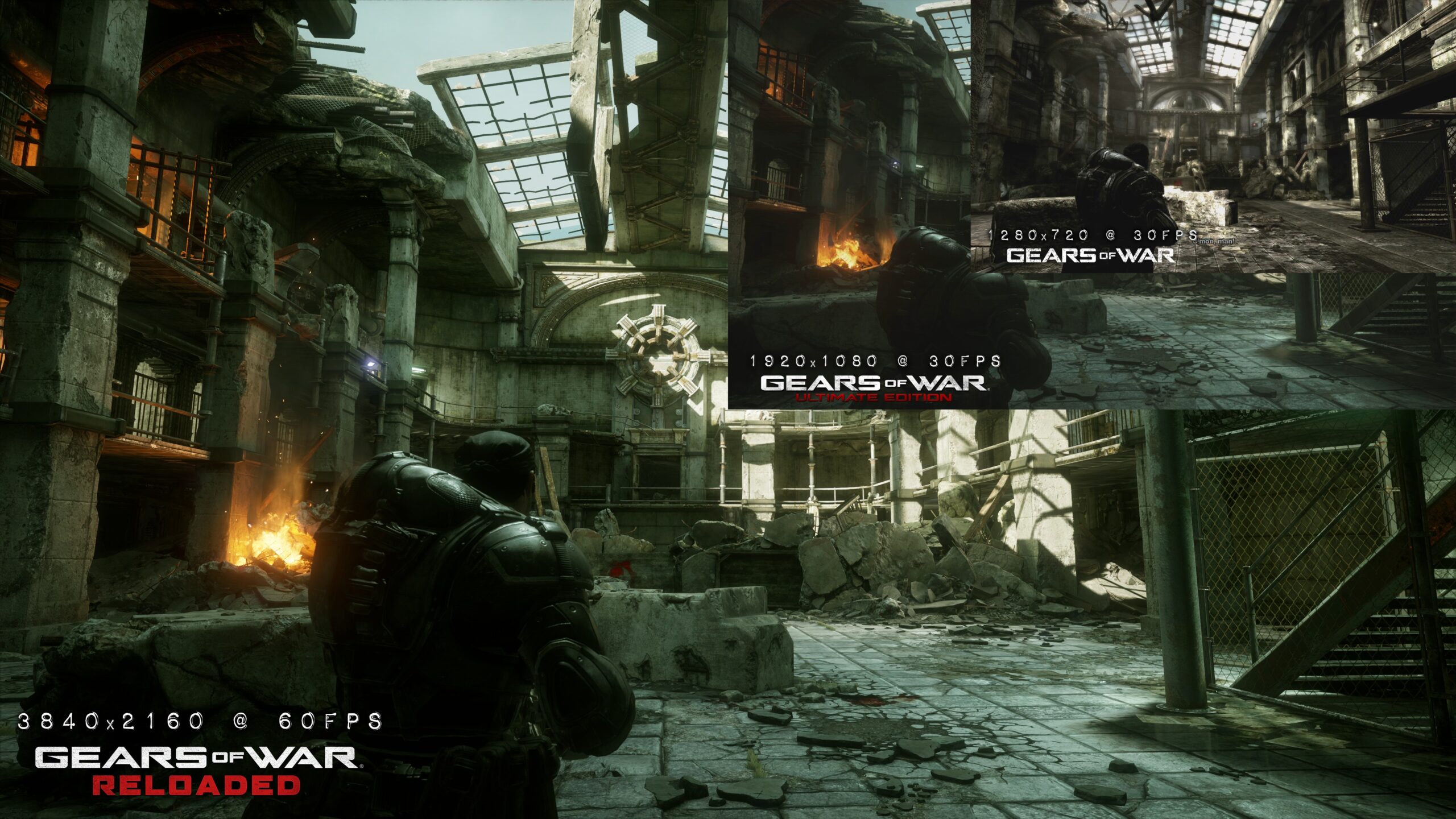
Microsoft’s strategy makes the Xbox-versus-PC comparison different from the old console wars. Xbox Play Anywhere and Game Pass increasingly connect console, Windows PC and cloud play. Forza Horizon 6 launched across Xbox Series X|S and Xbox on PC, while Gears of War: Reloaded was optimized for modern Xbox hardware and PC. That means an Xbox buyer is often choosing an ecosystem and convenience level rather than an isolated box.
RTX 5060 and RX 9060 XT: Why Affordable PC GPUs Matter
Current midrange GPUs change the economics of the comparison because a buyer no longer needs flagship hardware to build a strong 1080p or 1440p gaming system. An RTX 5060-class or RX 9060 XT-class machine can pair modern graphics features with faster desktop CPUs and NVMe storage while leaving the owner free to replace the GPU later. The important comparison, however, is the price of the complete PC—not the GPU by itself.
A realistic PC budget should include the processor, motherboard, memory, SSD, power supply, case, cooling, Windows or another operating environment, controller or keyboard/mouse and the display you intend to use. A console price already includes the CPU, GPU, memory, storage controller, enclosure, operating platform and standardized game target. This is why a $300 graphics card cannot honestly be compared with a $500 console as though they are complete competing products.
2026 Buyer Matrix: Which Platform Fits Which Person?
| Buyer | Best Starting Point | Why | Watch Out For |
|---|---|---|---|
| PlayStation loyalist with 4K TV | PS5 / PS5 Pro | Simple setup, PlayStation library, strong enhanced-game support. | Premium Pro pricing and fixed hardware. |
| Xbox/Game Pass household | Series X or Series S | Shared Xbox ecosystem, backward compatibility and low-friction console use. | Series S has lower graphics/memory headroom. |
| 1080p/1440p PC buyer | RTX 5060 / RX 9060 XT-class build | Modern CPU, NVMe storage, upgradeability and broad software use. | Total PC cost exceeds GPU sticker price. |
| High-refresh enthusiast | Higher-tier gaming PC | More control over frame rate, latency and display pairing. | Rapidly rising cost and diminishing returns. |
| Creator/streamer who also games | Gaming PC | One machine can edit, stream, encode, create and game. | Requires component planning and maintenance. |
Current Shopping Paths for Consoles, PC Gear and Games
Xbox Series X|S
Compare current Xbox Series hardware through PCFix411’s approved recommendation link.
Amazon Video Games
Browse current best-selling games, accessories and console hardware across the market.
PC Accessories
For a gaming-PC build, compare current keyboards, storage, peripherals and accessories from the Amazon-2026 registry.
GearReady Gaming
Browse gaming accessories and portable-gaming products in the Nacluv Tech-owned GearReady store.
Affiliate disclosure: PCFix411 may earn a commission from qualifying purchases made through affiliate links, at no additional cost to you.
2026 Pricing Changes Make the PC Comparison More Serious
In 2026, console pricing moved high enough that buyers should compare complete systems instead of relying on the old assumption that consoles are always dramatically cheaper. Sony’s U.S. recommended retail prices effective April 2, 2026 are $649.99 for PS5, $599.99 for PS5 Digital Edition and $899.99 for PS5 Pro. Microsoft also announced U.S. Xbox hardware price increases effective August 1, 2026, citing sharply higher memory and storage costs.
| Buyer Question | PS5 Pro / Xbox Strength | Gaming-PC Strength |
|---|---|---|
| Lowest setup friction? | Console | More setup and component choices |
| Best upgrade path? | Storage-focused | GPU, RAM, storage and often CPU |
| Best for work + gaming? | Gaming/media first | One system can game, stream, edit and work |
| Most predictable optimization? | Fixed console hardware | Varies by parts, drivers and settings |
| Most flexible display target? | Curated 60/120Hz modes by title | 1080p, 1440p, ultrawide and high-refresh options |
That is why RTX 5060- and RX 9060 XT-class PCs belong in the 2026 conversation. The GPU alone is not the system cost, but once premium consoles move toward the upper hundreds of dollars, the extra money for a configurable PC can buy capabilities a console cannot provide.
Current PC Reference Hardware: RTX 5060 and RX 9060 XT
NVIDIA lists the GeForce RTX 5060 with 3,840 CUDA cores, 8GB of GDDR7 memory and a 145W total graphics power rating. AMD lists the Radeon RX 9060 XT with 32 compute units and both 8GB and 16GB memory configurations, with the 16GB model offering more VRAM headroom for demanding 1440p workloads. These specifications should not be converted into a simplistic console-equivalent claim; architecture, APIs, upscaling and game optimization differ.
Official references: NVIDIA GeForce RTX 5060 family, AMD Radeon RX 9060 XT, PlayStation 2026 pricing, and Xbox 2026 pricing update.
2026 Buyer Test: Console Simplicity vs PC Flexibility
The best purchase depends on what you value after the first week. A PS5 Pro or Xbox Series X gives you a fixed target, straightforward updates and a predictable controller-first experience. A gaming PC asks more of the owner, but pays that back with adjustable graphics settings, broader peripheral support, modding, multi-monitor use, streaming tools, productivity software and a real hardware upgrade path.
Before spending, compare total-system cost rather than sticker price. A PC needs the complete tower, operating system, display and peripherals if you do not already own them. A console may need expanded storage, a second controller, online services and a disc drive depending on the model and how you buy games. The right answer is the system that produces the experience you want without paying for capabilities you will not use.
Frequently Asked Questions
Is PS5 Pro more powerful than Xbox Series X?
PS5 Pro is newer and Sony specifically upgraded its GPU, memory behavior, ray tracing and image reconstruction relative to base PS5. But cross-platform “more powerful” claims should be judged game by game because the systems use different software stacks and optimization strategies.
What PC GPU is equivalent to PS5 Pro?
There is no exact equivalent. Use current PC benchmarks at the resolution and settings you care about. RTX 5060 and RX 9060 XT are useful modern 1080p reference points, while higher tiers provide more 1440p and 4K headroom.
Is Xbox Series S too weak in 2026?
It is the lower-performance Xbox tier, but it remains a current-generation platform. It makes the most sense when budget, compact size and access to the Xbox ecosystem matter more than maximizing 4K image quality.
Should I buy an RTX 5060 or RX 9060 XT instead of a console?
Only if you already have or plan to build the rest of the PC. Compare complete-system cost. If you need a desktop for other workloads, the PC can deliver much more utility; if you need only a game box, the console is simpler.
Is 120fps worth it?
It can improve motion clarity and responsiveness, especially in competitive games, but only when the game and display support it. Do not pay for high-refresh performance if your screen cannot show it.
Affiliate disclosure: PCFix411 may earn a commission from qualifying purchases made through affiliate links, at no additional cost to you. As an Amazon Associate, PCFix411 may earn from qualifying purchases.
Continue your research at PCFix411, then browse selected accessories, upgrade gear and practical technology at our owned GearReady store.