Some links on PCFix411 may earn a commission from GearReady, software partners, or Amazon Associates at no extra cost to you.
The seventh generation of game consoles—most notably the Xbox 360, PlayStation 3 and Nintendo Wii—helped define modern HD console gaming. These systems are now retro hardware, but they still matter to collectors, preservation-minded players and anyone comparing the strengths of fixed console hardware with the flexibility of PC gaming.
This guide revisits the comparison from a 2026 perspective. Instead of relying on obsolete product embeds or old retail pricing, it focuses on what still matters: game libraries, display output, controller experience, hardware maintenance, emulation, upgradeability and total ownership effort.
What Counts as Seventh-Generation Console Gaming?
For this comparison, the key systems are Xbox 360, PlayStation 3 and Nintendo Wii. Their hardware philosophies were very different. Xbox 360 and PlayStation 3 pushed HD graphics and online services, while Nintendo emphasized motion controls, accessibility and distinctive first-party software.
PC gaming from the same era was less standardized. A PC could be weaker than a console, roughly comparable, or dramatically faster depending on its processor, graphics card, memory and storage. That remains one of the biggest differences between consoles and PCs: a console gives developers one fixed target, while PCs trade consistency for flexibility.
Console Advantages
Simple Hardware Target
Games were designed around a known hardware configuration. That reduced compatibility questions for buyers and let developers optimize specifically for the console.
Distinctive Game Libraries
Exclusive franchises and platform-specific releases remain one of the strongest reasons to keep original seventh-generation hardware. Some games are easier to experience accurately on the console they were designed for, especially when peripherals or platform-specific services are involved.
Controller and Living-Room Experience
These consoles were built around television play. They remain easy to integrate into a retro setup with the correct display connection, controller and storage.
PC Gaming Advantages
Upgradeable Hardware
A desktop PC can usually be improved component by component. Storage, memory, graphics and peripherals can often be replaced without buying a completely new system.
Broader Software Library
PC gaming spans multiple generations and storefronts. Backward compatibility is not perfect, but compatibility tools, community patches and modern storefront releases can keep older games usable long after their original hardware era.
Higher Performance Ceiling
A sufficiently capable PC can exceed original console resolution and frame-rate targets in PC-native games. Emulation can also improve image quality in some cases, although compatibility and legal use of game files must be considered separately.
Performance: Why Simple GPU Comparisons Can Mislead
It is tempting to compare an old console directly with a desktop graphics card, but that can be misleading. Console performance depends on the full platform: CPU design, GPU architecture, memory layout, storage behavior, operating system overhead and how closely a game was optimized for the hardware.
For practical buying decisions, focus on whether a device can run the specific games and applications you care about rather than trying to convert a console into a single desktop-GPU equivalent.
Resolution and Display Considerations
Seventh-generation consoles were created during the transition from standard-definition televisions to widespread HD displays. Many games targeted 720p-class output, while some supported higher output modes or used internal rendering resolutions below the display signal.
Modern 4K televisions can expose scaling, latency and connection issues that were less noticeable on period displays. A quality HDMI path, correct TV game mode and appropriate scaling can matter as much as the console itself.
Storage and Loading
Original hard drives and optical drives are now aging components. Slow loading, drive noise or read failures may reflect mechanical wear rather than the original design of the game.
Before investing money in upgrades, verify what storage replacement options the specific console supports and whether official system software or formatting procedures are required. On a PC, moving from a mechanical drive to an SSD can dramatically improve general system responsiveness, although it will not magically remove every game-engine loading limitation.
Online Services and Account Risk
Old consoles should not be evaluated as if their online ecosystems are unchanged. Storefronts, multiplayer services, account features and downloadable-content availability can change over time. Before buying a system primarily for an online feature, verify that the service you need is still supported.
For preservation, keep local backups of your own saves where the platform permits them and protect any account that still has access to legacy purchases with strong authentication.
Original Hardware vs Emulation
Original hardware offers authenticity, predictable peripheral support and the least ambiguity about how a game was intended to behave. Emulation offers convenience, scaling options, save-state features and the ability to consolidate multiple systems on one computer.
Emulation quality varies by game and emulator. It can require BIOS or firmware files, controller mapping and per-game configuration. Use only software and game files you are legally entitled to use.
If you are building a dedicated retro PC, see How to Set Up RetroBat and Organize Retro Games on Windows. For living-room hardware ideas, see Best Retro Gaming Devices for Your TV.
Maintenance Matters More in 2026
Age is now a major part of the decision. Before buying or relying on original seventh-generation hardware, inspect:
- fan noise and overheating
- disc-drive reliability
- controller battery condition
- HDMI or video-output stability
- hard-drive health
- power-supply condition
- signs of previous repair or liquid damage
Older hardware can be enjoyable, but a cheap purchase becomes expensive quickly if it needs a drive, controller, power supply and board repair.
Which Platform Is Better Today?
Choose original console hardware when authenticity, platform exclusives, original controllers or console-specific peripherals are your priority.
Choose PC when you want one machine for modern games, older PC titles, productivity, streaming, upgrades and legally configured emulation.
Use both if preservation and convenience matter equally. Original hardware can remain available for titles that benefit from it, while a PC handles modern gaming and broader retro organization.
Shopping Without Obsolete Product Links
PCFix411 no longer uses the old embedded Amazon product widgets that appeared in the legacy version of this draft. For a broad, current marketplace starting point, use the approved Amazon Video Games best-sellers link. As an Amazon Associate, PCFix411 may earn from qualifying purchases.
For selected creator and tech gear from our owned store, you can also browse GearReady when the available product fit is relevant.
Bottom Line
The seventh-generation console-versus-PC question is no longer just about raw performance. In 2026 it is also about preservation, repairability, service availability, display compatibility and how much setup work you are willing to do. Original consoles remain valuable for their libraries and authentic experience. PCs remain stronger for flexibility, upgrades and consolidating multiple types of gaming on one machine.
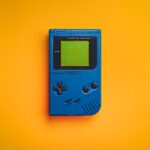
Featured photography: Branden Skeli / Unsplash. In-article photography: Lorenzo Herrera / Unsplash.