Some links on PCFix411 may earn a commission from GearReady, software partners, or Amazon Associates at no extra cost to you.
Amazon seller product research is not about finding one magical product. It is a repeatable process for identifying demand, estimating competition, understanding fees, checking sourcing options and deciding whether a product deserves a small test. The strongest sellers treat research like an operating system, not a guessing contest.
This guide walks through a practical 2026 workflow for marketplace and e-commerce product research. It is useful whether you sell on Amazon, eBay, Shopify or a combination of channels.
Start With a Product Thesis, Not a Random Item
Before opening any research tool, define what kind of product you are willing to sell. Consider selling price, size, shipping weight, fragility, return risk, seasonality, brand restrictions, sourcing difficulty and how much cash you are willing to tie up in inventory.
A useful product thesis might be: lightweight electronics accessories between $25 and $80, evergreen demand, simple packaging, low breakage risk and enough margin to absorb marketplace fees and returns. A thesis narrows the search and prevents hours of random browsing.
The Five Numbers That Matter Most
- Demand: Is there enough real buyer activity to justify entering the market?
- Competition: How many established sellers already dominate the search results?
- Margin: What remains after product cost, shipping, platform fees, ads, returns and taxes?
- Velocity: How quickly can inventory realistically turn?
- Risk: Could brand restrictions, quality issues, seasonality or supplier problems erase the expected profit?
Do not let a high selling price distract you from weak net economics. Gross revenue can look impressive while net profit remains poor.
Use Marketplace Research to Validate Buyer Demand
Marketplace research tools can help reveal selling history, pricing ranges and competition. For eBay-focused research, ZIK Analytics is one current tool in the PCFix411 affiliate stack. It can be useful when the goal is to study eBay demand, competitors and product opportunities rather than relying on intuition.
Research Supplier Cost Before You Fall in Love With the Product
Once a product looks interesting, immediately estimate the real landed cost. Include the unit price, shipping, packaging, taxes, marketplace fees, expected returns and any software or advertising cost associated with selling it.
If you operate a dropshipping workflow, AutoDS can help centralize parts of product importing, pricing and order-management workflows. The tool does not replace product judgment; it helps execute a product strategy after you have decided what deserves testing.
Use Amazon Best Sellers as a Demand-Radar Layer
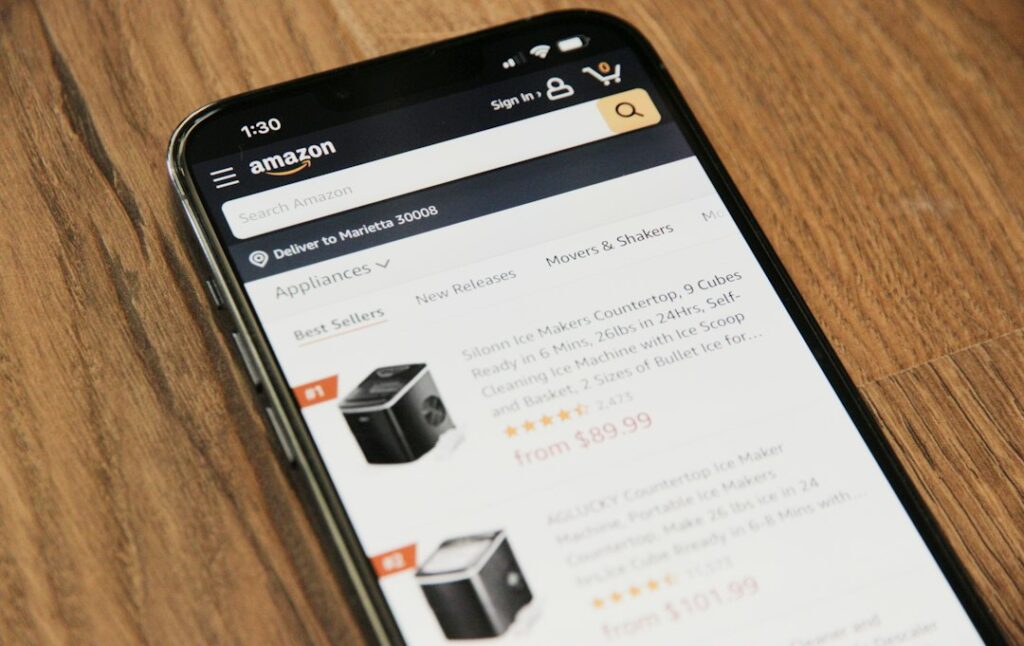
Amazon category best-seller pages are useful as a directional research source because they show what shoppers are buying now. They should not be treated as automatic product recommendations. Use them to spot categories, price bands, accessory patterns and recurring buyer problems.
For technology research, PCFix411 maintains current 2026 Amazon links such as Amazon Best Sellers in Electronics and Amazon Best Sellers in Computers & Accessories.
Validate the Product Across More Than One Channel
A strong research habit is to compare signals across Amazon, eBay, supplier marketplaces and Google search interest rather than trusting one platform. If a product shows buyer activity in several places, that can strengthen the case for testing. If demand exists only inside one temporary trend, treat it as higher risk.
Cross-channel validation also helps you decide where the product belongs. Some products may be better suited to eBay, while others are easier to present inside a branded Shopify store.
Build a Controlled Test Instead of a Big Bet
The purpose of research is not to eliminate uncertainty. It is to reduce uncertainty enough to justify a small test. Use a limited quantity, conservative ad budget and a clear stop-loss rule. Track conversion rate, gross margin, refund rate, ad cost and net contribution after fees.
If the test works, scale gradually. If it fails, record why and move on. Controlled testing protects capital and produces better data for the next decision.
Amazon, eBay and Shopify Serve Different Jobs
| Channel | Strength | Watch Out For |
|---|---|---|
| Amazon | Large buyer demand and purchase intent | Fees, restrictions and intense competition |
| eBay | Flexible marketplace and strong resale categories | Price competition and listing quality |
| Shopify | Brand ownership and customer experience control | You must generate your own traffic |
If you want an owned storefront, Shopify is one current commerce platform in the PCFix411 affiliate stack. You can also see an active Shopify-based owned-commerce model at GearReady.
A Simple Product Research Scorecard
Score every candidate from 1 to 5 in these areas: buyer demand, competition, margin, supplier reliability, return risk, seasonality, shipping complexity and channel fit. Products that look exciting but score poorly across several categories should not enter the test queue.
The scorecard does not need to be mathematically perfect. Its value is consistency. You are comparing opportunities using the same rules instead of changing the rules every time a new product catches your attention.
Where Automation Helps — and Where It Does Not
AI and automation can help summarize competitor listings, categorize product ideas, create research checklists, draft descriptions and maintain a testing queue. They should not automatically buy inventory, launch ads or change pricing without human review.
Product research still requires judgment about quality, brand risk, supplier reliability and whether the numbers make sense after all costs.
When You Want the Store Built for You
If you would rather focus on product decisions while someone else handles the store setup and conversion structure, Nacluv Tech offers E-Commerce Store Setup as part of its current service roster.
Frequently Asked Questions
What makes a product profitable?
Profitability depends on demand, selling price, landed cost, platform fees, advertising, returns and operational overhead. Never judge profit from selling price alone.
Should I research Amazon products even if I sell on eBay?
Yes. Cross-market research can reveal demand patterns and accessory categories, but you should still validate the product on the marketplace where you plan to sell it.
How many products should I test at once?
Only as many as you can track accurately without spreading capital and attention too thin. A controlled test is more useful than launching dozens of poorly understood products.
Legacy-link note: this page may receive visitors through an older PCFix411 recommendation URL. PCFix411 routes legacy recommendation links to current educational content rather than leaving visitors at outdated destinations.